
As China’s glass machinery sector looks toward 2025 and beyond, a clear transformation is underway – from basic cutting tools to intelligent, green, and globally competitive systems. But what exactly will the industry focus on? Based on policy roadmaps and technology trends, five directions stand out.
1. Smarter, More Connected Production
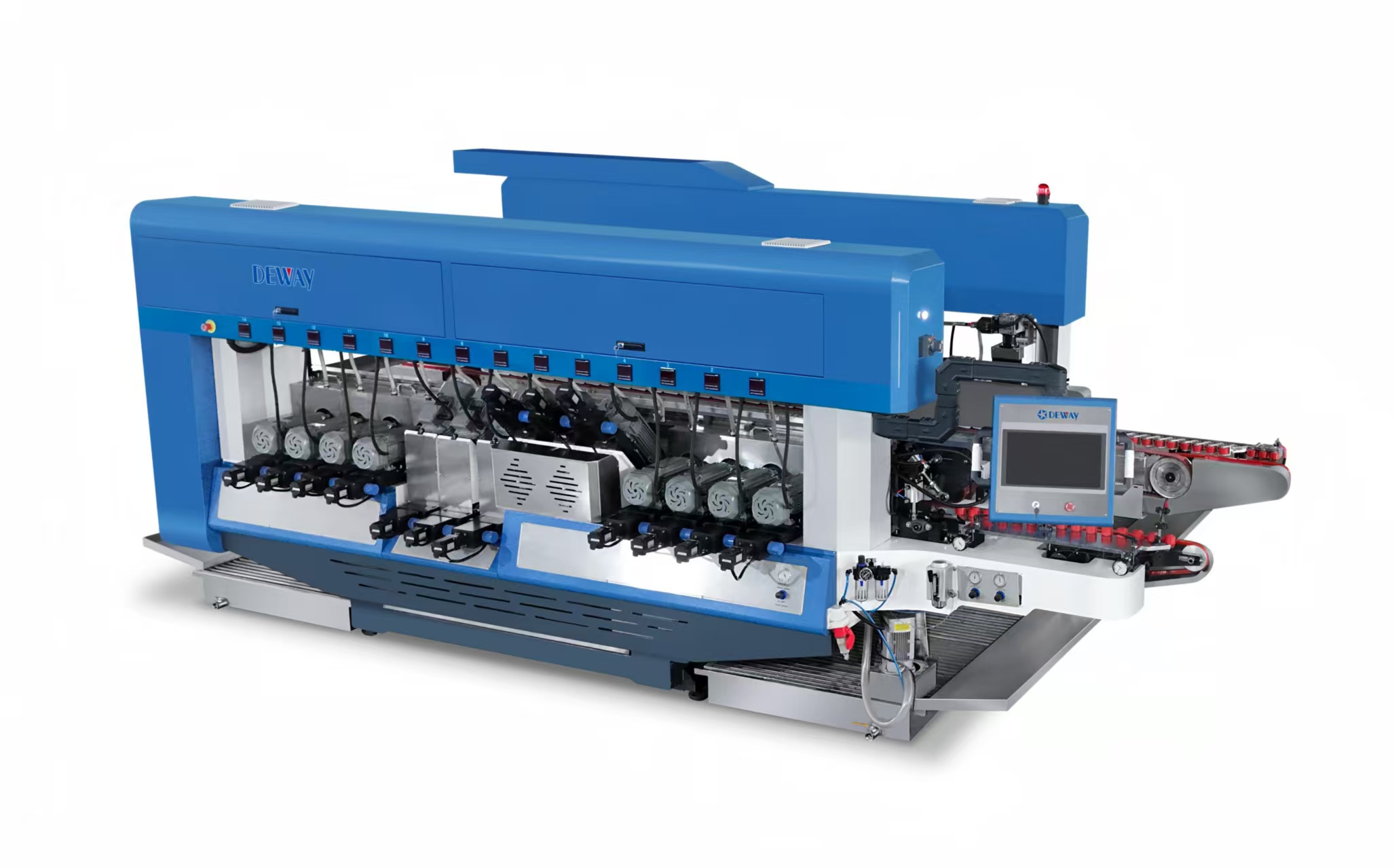
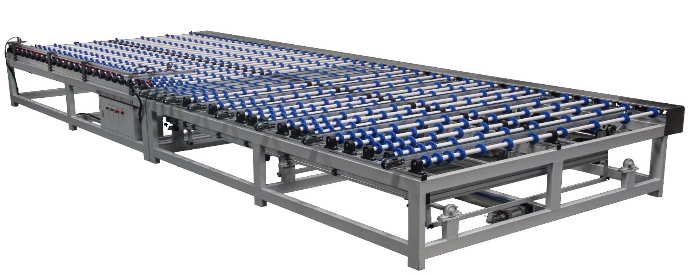
The future factory is intelligent. Chinese machinery now integrates AI and IoT for real-time process control. A prime example is the Glass detect transfer conveyor, which uses machine vision to spot micro-cracks and dimensional errors instantly, feeding data back to upstream equipment. This closed-loop system can boost yield rates above 98%. Meanwhile, high speed glass double edging machine units are being equipped with self-diagnostic sensors that predict bearing wear and adjust coolant flow automatically. The result is less downtime and consistent quality.
2. Flexible Lines for Small Batches
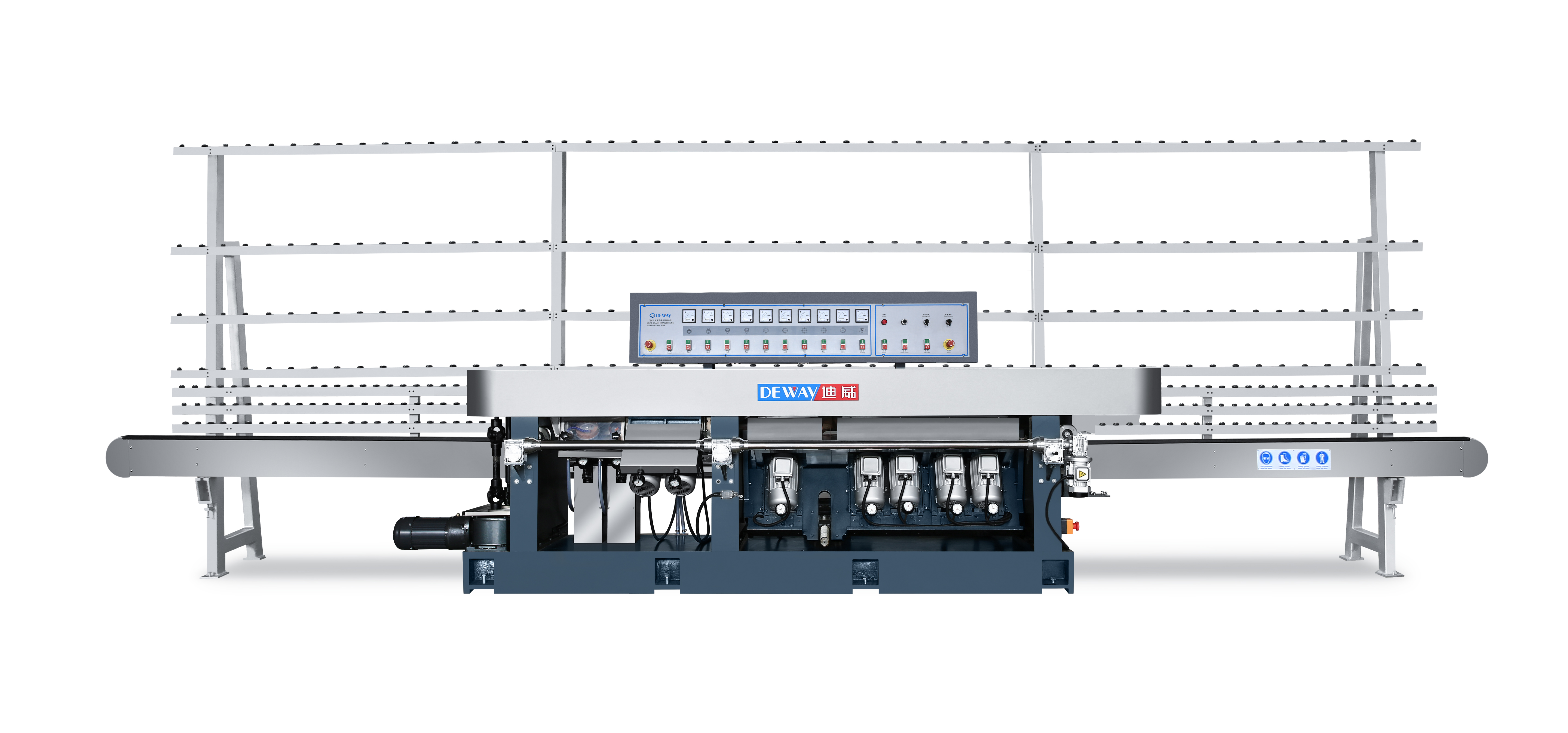
Mass production is giving way to custom orders. To handle this, modular machines that switch tasks in minutes are essential. The China glass flat edge machine now features tool-less adjustment, allowing operators to change from 3mm mirror glass to 12mm laminated glass in under five minutes. Similarly, the CNC glass groove machine has evolved into a multi-function platform – milling, drilling, and countersinking in one pass. When linked to a central system, these groove machines run custom patterns for shower doors or decorative panels without reprogramming. Flexibility is no longer a luxury; it is a must.
3. Precision and Novel Cutting Technologies
High-end applications – foldable screens, AR displays, ultra-thin solar glass – demand micron accuracy. Laser scoring and waterjet cutting are replacing traditional diamond wheels, achieving ±0.1mm precision on glass as thin as 0.2mm. For edge finishing, the Glass Miter Machine has been redesigned with linear motor drives and acoustic monitoring. It now produces bevels from 0 to 60 degrees with surface roughness Ra ≤ 0.2μm, essential for frameless railings and furniture. Meanwhile, high speed glass double edging machine lines running alongside China glass flat edge machine cells are being exported to Europe for medical device glass, where edge strength and cleanliness are critical.
4. Green and Low-Carbon Machinery
China’s dual-carbon pledge is reshaping equipment design. New machines cut energy use by 20-30% through low-inertia spindles and servo pumps. Water recirculation in edgers reaches 90%, and dry polishers use electrostatic precipitators. The Glass detect transfer conveyor also contributes – by catching defects early, it prevents energy-intensive rework.
Recycling is another pillar. Integrated lines that crush, wash, and sort waste glass – sometimes using a CNC glass groove machine adapted for breaking laminated scrap – can lift cullet utilization from 60% to over 90%. This supports China’s circular economy target of 450 million tonnes of renewable resources annually. Green machinery packages now qualify for preferential financing and export credits.
5. Composite and Functional Glass Equipment
Beyond plain glass, the market wants Low-E coatings, self-cleaning surfaces, and photovoltaic textures. Chinese manufacturers offer integrated lines where a high speed glass double edging machine finishes edges, then the glass moves directly into a sputtering chamber for silver-based coatings. For solar glass, specialized CNC glass groove machine configurations create micro grooves that boost module efficiency by 1-2 percentage points. The China glass flat edge machine has been adapted for 1.6mm bifacial solar glass, where edge strength prevents breakage during lamination. These innovations allow Chinese machinery to compete in high-value niches.
6. Global Ambitions: From Budget to Partner
Chinese equipment is no longer just low-cost. In Southeast Asia and India, complete lines featuring China glass flat edge machine, Glass Miter Machine, and CNC glass groove machine are chosen for their quick delivery and digital integration – three months versus nine for European rivals. In advanced markets like Germany and the US, high-precision Glass detect transfer conveyor systems are being used to inspect HUD windshields for sub-millimeter distortions, at 40% lower cost than Western brands.
To sustain this, Chinese firms co-develop protocols with material labs for novel glass – super-molecular glass (ten times tougher) and ultra-thin flexible glass for foldable displays. The high speed glass double edging machine and CNC glass groove machine are being re-engineered with carbon-fiber frames and active damping to meet these extreme demands.
7. Policy Drivers and Emerging Applications
Two policies accelerate change. First, China’s green building standard requires 70% of new urban buildings to meet near-zero energy levels by 2025, boosting demand for insulating glass and vacuum glass – domains where China glass flat edge machine and Glass Miter Machine excel. Second, the solar boom continues: each gigawatt of new capacity needs about 15,000 tons of glass. Photovoltaic lines run 24/7, demanding reliable high speed glass double edging machine units with predictive maintenance.
Emerging applications add momentum. Electric vehicles use large panoramic roofs and HUD windshields. The former requires complex edge finishing; the latter demands distortion-free optics. Chinese Glass detect transfer conveyor makers now offer curved glass inspection systems that map surface flatness in real time, feeding corrections back to the CNC glass groove machine and edging stations.
8. Challenges and Outlook
Perception of reliability still trails European and Japanese brands, though quality has improved. Leading Chinese firms are adopting lean manufacturing and long-term testbeds. Software openness is another hurdle – buyers prefer open protocols like OPC UA. Suppliers that embrace these standards will win faster global acceptance. Finally, carbon border mechanisms (CBAM) in Europe require documented footprints. Several Chinese groups now publish environmental product declarations for their high speed glass double edging machine and Glass Miter Machine.
Conclusion: The Question Is Speed
What’s next for China’s glass machinery? The direction is clear: smarter, greener, more precise, and globally integrated. The high speed glass double edging machine, Glass Miter Machine, Glass detect transfer conveyor, China glass flat edge machine, and CNC glass groove machine are no longer just components – they are the building blocks of a new manufacturing paradigm. With strong policy support and rising innovation, Chinese machinery is sprinting upmarket. The only question is how fast it will reshape the world’s glass landscape.