
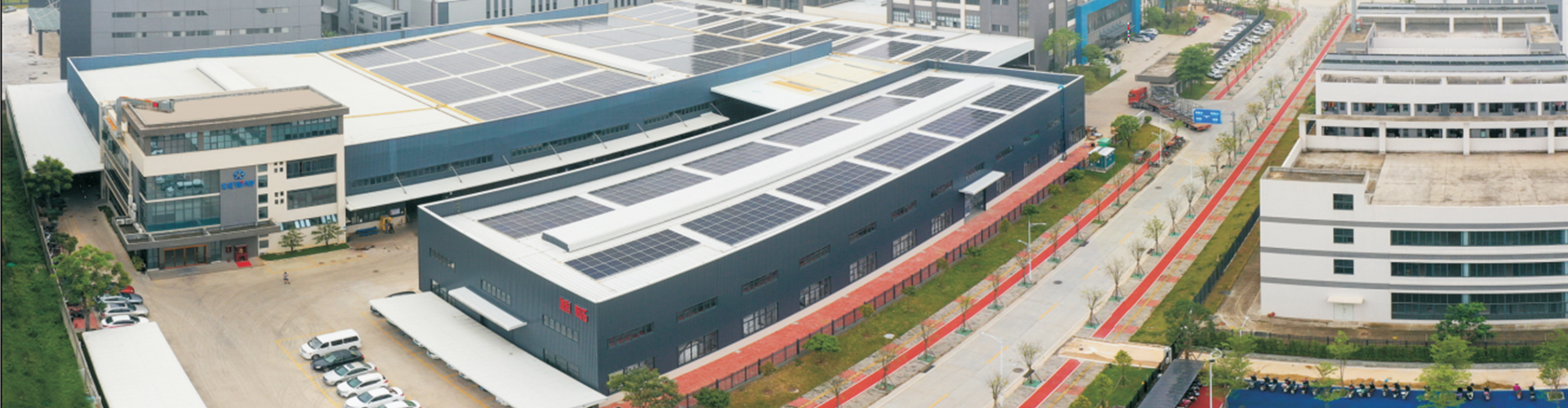
The way glass plants maintain their machinery is undergoing a profound change. Instead of running equipment until it breaks, a new paradigm called machinery condition management is taking hold. This active, predictive strategy uses continuous inspection and fault-diagnosis technologies to comprehensively monitor machine health. It is the direct opposite of reactive maintenance, scheduling repairs based on real-time equipment condition rather than unexpected breakdowns.
At its foundation lies a disciplined flow of data from four layers: daily routine checks by operators, detailed professional inspections, permanent or route-based condition monitoring sensors, and advanced fault diagnostics. Vibration signatures, motor currents, temperatures, pressures, and flow rates are gathered, statistically screened, and trended over time. The resulting analysis reveals not only the current degree of degradation—say, a worn bearing—but its rate of worsening, enabling teams to predict how many shifts remain before quality suffers.
Keeping a Pulse on Every Key Machine
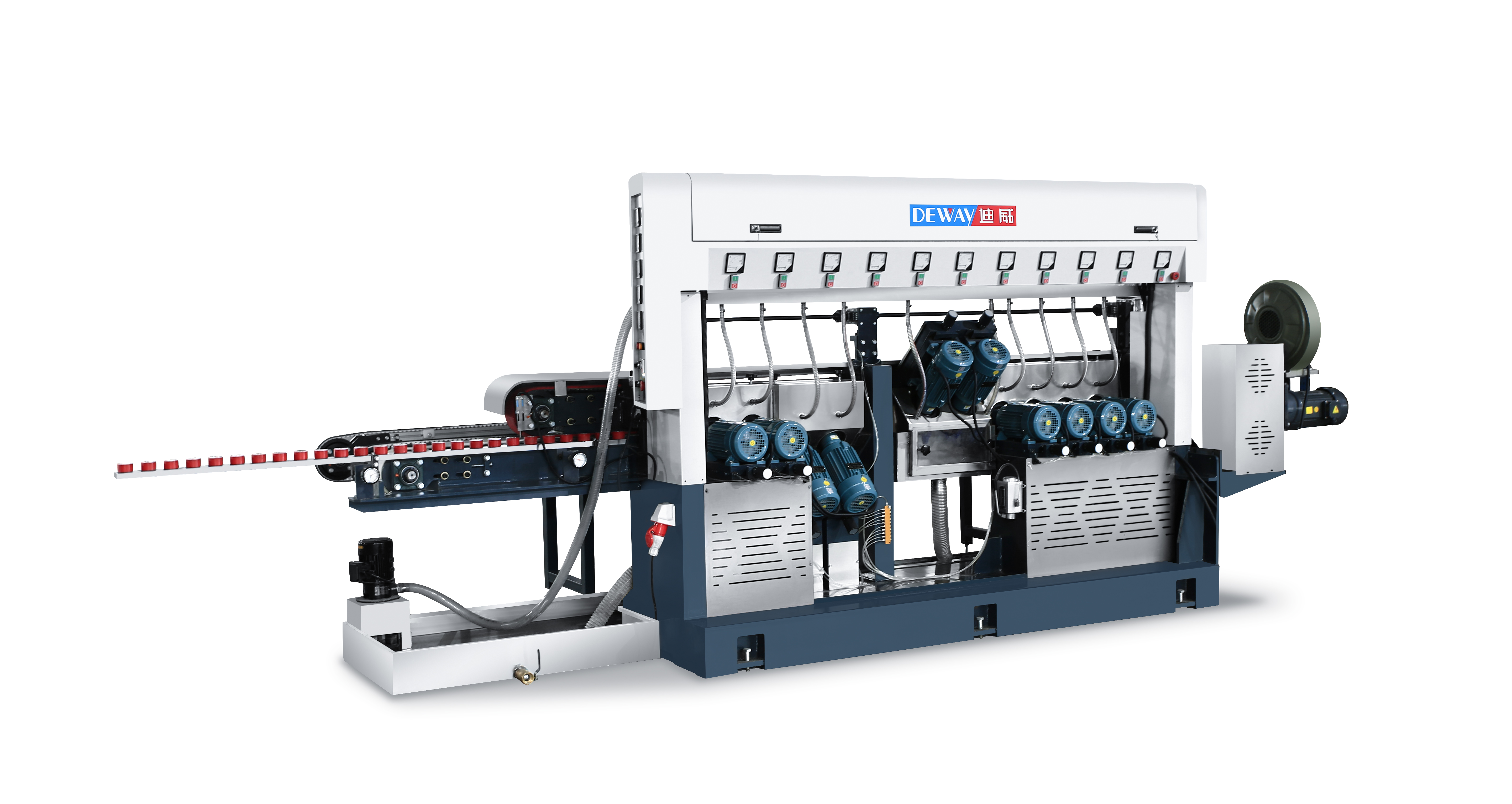
Each type of glass processing equipment generates a distinct health signature. On a Glass Double Edging Machine, the focus is on grinding spindle vibration and motor current. High-frequency spectral peaks indicate early bearing flaking or cage wear, while a gradual current rise points to dull diamond wheels or conveyor misalignment. Catching these trends lets the team schedule wheel dressing or a bearing swap during a planned gap, protecting edge quality and keeping the entire line flowing. This proactive step also reduces downtime on connected tempering lines.
A horizontal glass edging machine demands equal vigilance. Sensors monitor conveyor belt tension, guide pad wear, and arbor runout. When arbor vibration rises slowly alongside a loss of edge straightness, the system diagnoses worn guide pads or a loosening spindle nut. Proactive intervention prevents edge chipping and thermal cracks, avoiding unscheduled downtime. The result is consistently straight edges without surprise stoppages.
The Heavy-Duty Glass Bevelling Machine, used for wide polished bevels on thick glass, works under heavy loads. Its large rotating diamond wheels and oscillating carriages are tracked for motion smoothness, transmission oil condition, and spindle vibration envelope. A drifting frequency pattern in the carriage drive often betrays guide rail wear or poor lubrication, enabling correction before bevel angles drift and decorative panels are scrapped. Maintaining precise bevel geometry safeguards the brand's reputation for high-end products.
For a flat glass drilling machine, spindle load, vibration, and coolant flow are the key indicators of drill bit health. As a bit wears, torque increases, high-frequency chatter grows, and coolant channels clog, reducing flow. By correlating these signals, the system estimates remaining bit life and triggers a tool change at the optimum moment, preventing breakout, chipping, and expensive rework. Uninterrupted drilling keeps just-in-time schedules on track.
Even the Flat glass washing machine is fully integrated into the health network. Brush pressure, pump output, and dryer blower performance are continuously tracked. A slow drop in water flow signals impeller wear or a clogged filter; a decline in drying air velocity warns of blower degradation. Early detection keeps glass spot-free, preserving coating adhesion and lamination quality. It's a key link in delivering defect-free glass to coating stations.
From Traditional Checks to Intelligent Action
Implementing condition management transforms the entire inspection routine. The old "look, listen, feel" approach is now fused with quantified trend curves and automated diagnostic algorithms. Each point-in-time observation becomes part of a continuous health history, giving technicians clear, prioritized alerts instead of guesswork. The results are measurable: maintenance efficiency rises, costs fall through fewer emergency interventions, and component service lives are extended.
Most importantly, repair plans become genuinely evidence-based. Rather than following a rigid calendar, maintenance is scheduled when monitored parameters cross predefined warning thresholds—timed precisely to available production windows. A spindle replacement on a horizontal glass edging machine is no longer set at an arbitrary 4,000 hours; it is ordered when vibration trends show three shifts of safe operation remain. A drill bit on a flat glass drilling machine is changed not when a counter reaches a fixed number, but when its predicted remaining life drops below one shift's capacity. These real-time, targeted interventions bring maintenance expenditure into perfect alignment with actual machine health, closing the gap between spend and production reliability and making unplanned stoppages a rarity.
In an era of high-speed, interconnected glass lines—where a Glass Double Edging Machine paces the entire cutting and tempering flow, and a Flat glass washing machine determines final product cleanliness—condition management has become the essential early-warning infrastructure. The question is shifting from "Can we afford to implement it?" to "Can we afford to run without it?"