
In the realm of glass deep processing, edging, grooving, beveling, and intricate carving are the decisive links that determine final product quality. As core assets on the production line, equipment such as the Straight Line Edging machine, Glass double line edging machine, CNC Glass Grooving Machine, CNC Glass Processing Center, and Automated Glass Beveling Machine collectively undertake the critical tasks of fine edge finishing, surface decoration, and special-shaped processing of glass. However, vibration during operation has long plagued glass manufacturers worldwide—when the beam and base of these machines lack adequate stability, the entire system shakes violently. The consequences are severe: edging, grooving, and beveling quality deteriorates sharply, and in extreme cases, glass sheets shatter during processing, directly undermining production capacity and corporate profitability.
The Beam: A Structural Cornerstone Underestimated by Many
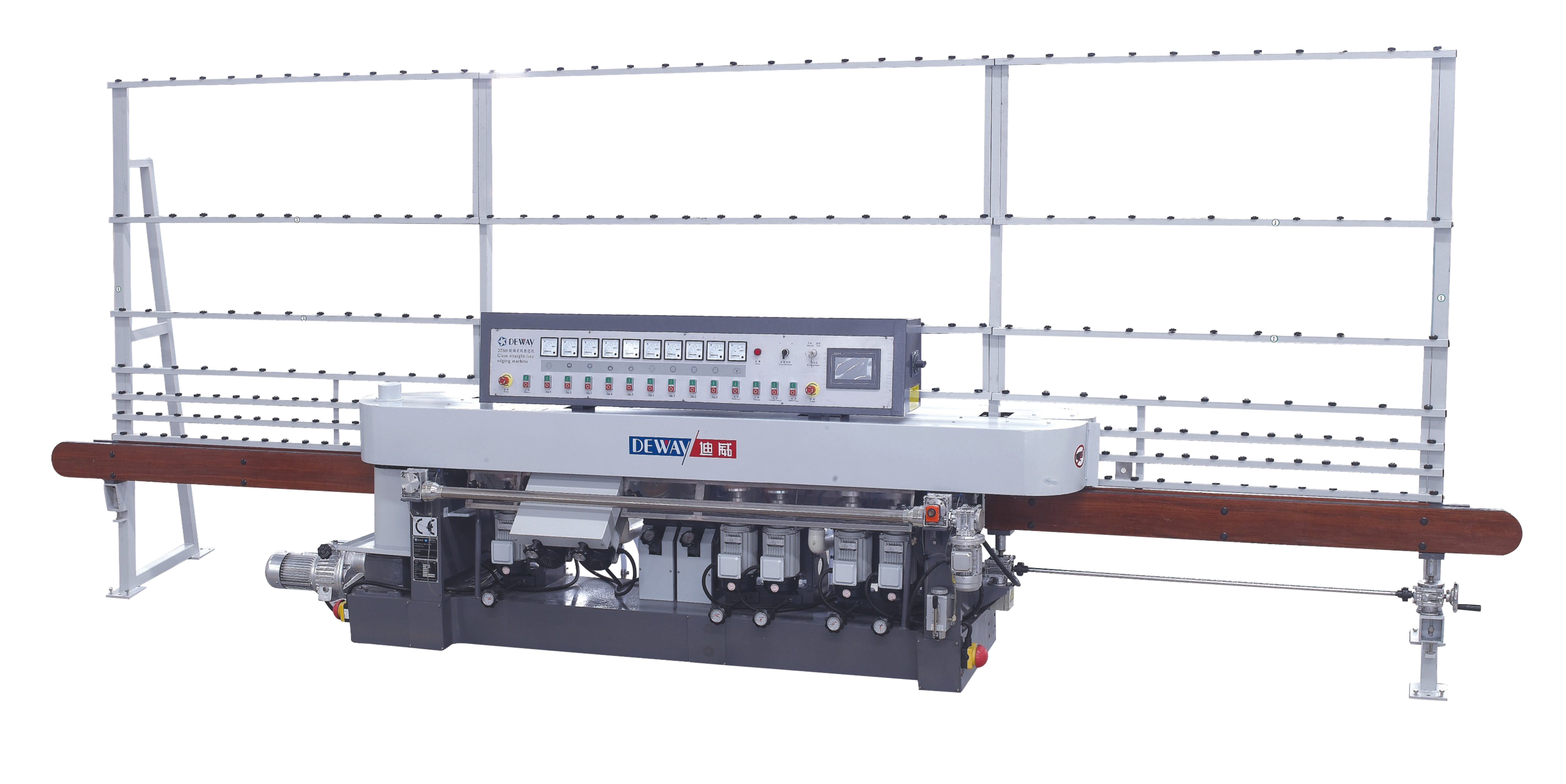
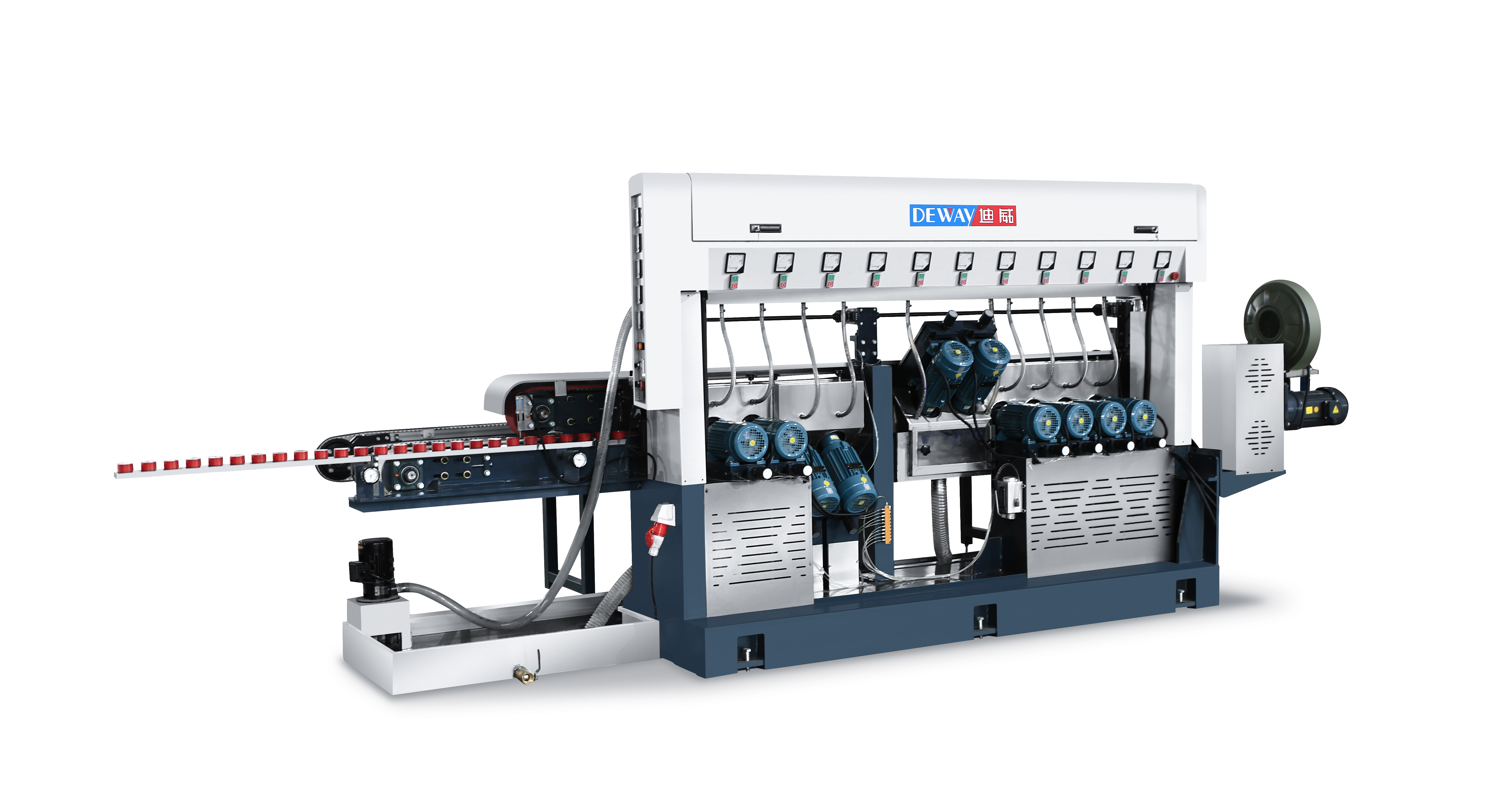
The beam is the largest component on glass processing equipment aside from the base, and its mounting surfaces demand exceptionally high precision. Industry data shows that in Straight Line Edging machines, the beam is a cast iron structure that has been annealed to prevent deformation, enabling it to bear large loads and deliver stable performance. In Glass double line edging machines, the beam-type tandem support structure evenly distributes the pressure from the moving side across dual guide rails, ensuring that the rails and base endure balanced, parallel forces—directly influencing transmission smoothness and rail service life.
In essence, whether we are talking about a Straight Line Edging machine, a Glass double line edging machine, or a CNC Glass Processing Center, the overall quality of the equipment depends to a large extent on beam quality. The beam's primary function is to provide stability and prevent vibration-induced glass breakage during operation. Therefore, upgrading beam stability has become the core breakthrough point for enhancing the performance of all types of glass processing equipment.
Casting vs. Welding: A Strategic Choice with Far-Reaching Implications
The processing of beams for glass processing equipment mainly follows two technological routes: welded structures and cast structures. Each has its own advantages and limitations.
Cast structures offer superior structural stability and overall rigidity. Cast iron exhibits excellent vibration absorption, abrasion resistance, and corrosion resistance, making the entire structure more stable and operation smoother. Many manufacturers choose cast iron for the main structure—including the bedplate, beams, and stand columns—to fabricate large, thicker glass sheets without concern.
Welded structures, on the other hand, provide greater flexibility in shaping desired profiles and dimensions, with shorter production cycles and faster design modifications. As welding technology advances, an increasing number of large-scale processing equipment manufacturers are adopting welded structures. Practical experience demonstrates that welded structures offer significant advantages: shorter production cycles, lighter weight, lower costs, and simpler equipment requirements. In fact, advanced industrial nations in Europe and America have gradually replaced traditional cast structures with welded components or new material structures in machine tool manufacturing.
However, the choice is not one-size-fits-all. For smaller Straight Line Edging machines, Glass double line edging machines, or CNC Glass Grooving Machines, the beam dimensions are relatively modest, making casting less challenging and providing better stability. But for large-scale equipment, the beam size increases significantly—during the casting process, molten iron may not flow to all positions within the mold cavity before solidifying, leading to a substantial decline in overall beam performance. In such cases, welding becomes the more pragmatic choice.
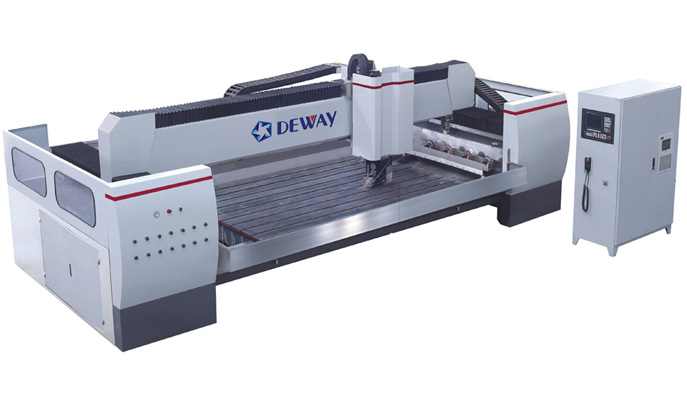
For precision-demanding equipment such as the Automated Glass Beveling Machine and the CNC Glass Processing Center, selecting the appropriate beam processing method is particularly critical. The challenge lies in balancing structural rigidity against the trend toward larger machine sizes, while simultaneously managing manufacturing costs and lead times.
The Upgrade: A Dual Breakthrough in Stability and Productivity
Through targeted stability upgrades to the beams of Straight Line Edging machines, the overall operational condition of the equipment has been significantly improved. The upgraded beams effectively suppress equipment vibration, resulting in markedly better edging quality and a substantial reduction in glass breakage rates. At the same time, equipment maintenance frequency has been brought under control, and production efficiency has risen accordingly.
Industry observers point out that as glass processing continues to evolve toward higher precision and greater efficiency, the design and manufacturing optimization of critical components like the beam will remain a key direction for equipment upgrades. Whether it is the tandem support structure of the Glass double line edging machine, the precision carving platform of the CNC Glass Grooving Machine, or the multi-function composite processing system of the CNC Glass Processing Center, beam stability is the foundation upon which processing accuracy rests. Whether choosing casting or welding, the ultimate goal is the same: to ensure that equipment remains stable and reliable over long-term operation, creating greater production value for glass manufacturing enterprises.
Conclusion: A Small Component with a Massive Impact
The beam may appear to be just one structural component among many, but its impact on equipment performance is disproportionate to its size. For glass processors, investing in beam stability is not merely a technical upgrade—it is a strategic decision that directly affects product quality, production efficiency, and ultimately, the bottom line. As the glass industry continues to push the boundaries of what is possible in terms of size, precision, and complexity, the humble beam will remain at the heart of the machines that make it all possible.