
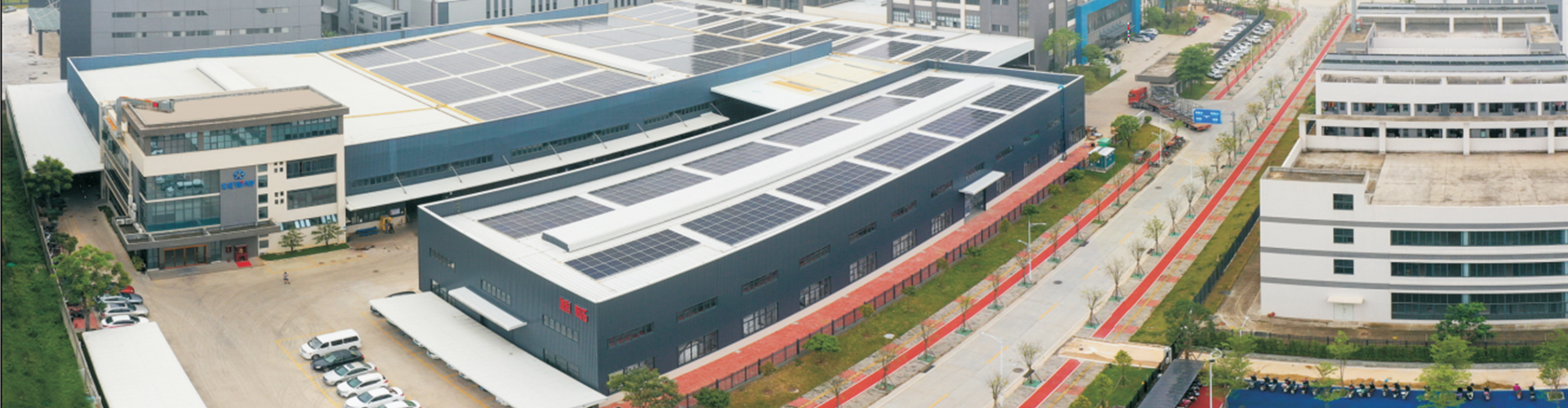
Modern cities shine with glass-soaring curtain walls, energy-efficient windows, decorative doors, and high-tech facades. But how much do you really know about the glass that surrounds you? Behind every transparent surface lies a fascinating science of light, heat, strength, and safety. And behind every finished glass product lies precision machinery that shapes, edges, and drills it to perfection. This article distills essential knowledge for architects, builders, and homeowners alike.
Let us begin with how glass interacts with light. Visible light transmittance is the percentage of light in the 380-780 nanometer range that passes through a glass pane-the higher the number, the brighter the interior. Conversely, visible light reflectance measures how much light bounces off the glass surface. Low reflectance is desirable to minimize glare, especially in office towers and display windows. But sunlight carries more than visible rays. Solar transmittance and solar reflectance cover the full solar spectrum from 300 to 2500 nanometers, including ultraviolet, visible, and near-infrared radiation. These values determine how much solar energy actually enters a building, directly affecting both comfort and energy bills.
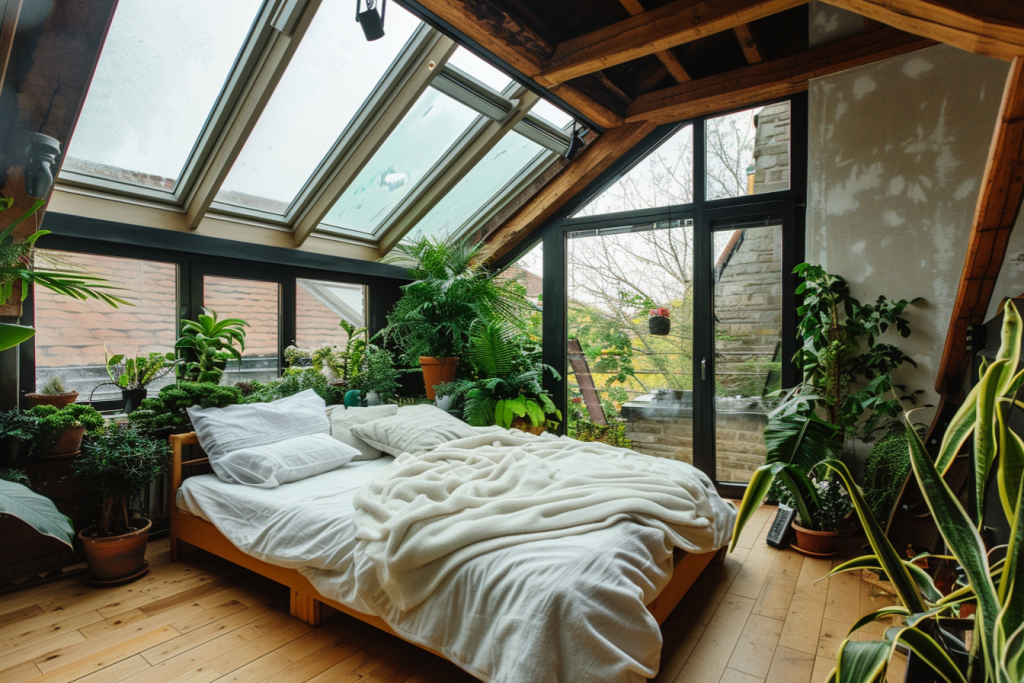
Perhaps the most important performance metric is the U-value (also called K-value), which represents the heat transfer coefficient of a glass unit. The lower the U-value, the better the insulation. To standardize measurements, ASHRAE defines specific conditions. For winter, the outdoor temperature is 0°F (-18°C) with a 15 mph wind, indoor air is kept at 70°F (21°C), and there is no sunlight (nighttime). For summer, outdoor air is 90°F (32°C) with a 7.5 mph wind, indoor air is 75°F (24°C), and the sun is shining at 248 BTU/h·ft². These standardized conditions allow fair comparisons between different glass products.
Another critical value is the shading coefficient (SC) . It compares the solar energy transmitted through a given glass to that transmitted through a standard 3-mm clear glass. A lower SC means the glass blocks more direct solar radiation, keeping interiors cooler. From the SC and the summer U-value, you can calculate the relative heat gain (RHG) , which represents the total instantaneous heat gain from both solar radiation and thermal radiation. The formula is RHG = 20 × SC + 14 × U-summer (in imperial units) or RHG = 8 × U-summer + 630 × SC (in metric units). Lower RHG directly translates to better summer energy efficiency and lower air conditioning costs.
Glass is not indestructible, and one common failure mode is thermal stress rupture. This occurs when different parts of the same glass pane reach different temperatures, causing it to crack. The fracture pattern is distinctive: straight, right-angle cracks at the glass edge, and curved cracks in the central area. Several factors influence thermal stress: building orientation (south-facing walls get more sun), cold climate conditions, glass size and shape (larger panes are more vulnerable), placement of heating and cooling vents, the type of window frame, indoor and outdoor shading devices, and how much solar energy the glass itself absorbs. Understanding these factors helps engineers prevent unexpected breakage.
For buildings that need to reject solar heat, heat-reflective glass – commonly called coated glass-is a go-to solution. It typically has one to three thin-film layers deposited on the surface, giving it a shading coefficient between 0.2 and 0.6. The characteristics are highly desirable: ideal visible light transmittance and reflectance, a wide range of reflective colors (grey, silver grey, blue grey, bronze, gold, yellow, blue, green, blue-green, pure gold, purple, rose red, and neutral tones), and low solar heat gain. A special variant is one-way transparent glass, produced by vacuum magnetron sputtering onto clear or tinted glass. The coated side must face the brightly lit observed room, and the lighting ratio between the two sides must be carefully controlled. This technology is widely used for covert observation in security settings and research facilities.
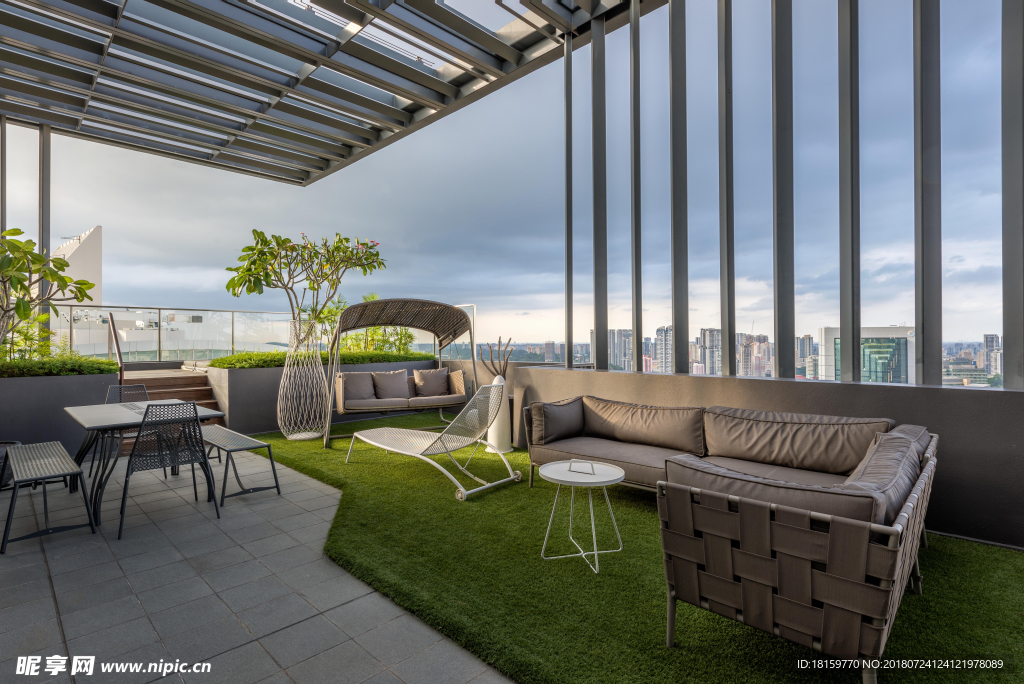
When discussing coated glass, it helps to understand thin-film interference color. This is the same phenomenon that creates colors on soap bubbles or a thin oil film floating on water. The color is not from the material itself but from the way light waves interact with the thin film. As the coating thickness changes, the interference color changes-which is why coated glass comes in so many shades. However, if the glass substrate is tinted (such as F Green, H Green, China Green, Lake Blue, American Blue-Green, or Belgian Blue-Green), the resulting color is actually the glass body color, not interference color. Also, contamination matters greatly: even a very thin, transparent layer of dirt can significantly alter the perceived color of interference-type coated glass, and uneven contamination creates a blotchy, unattractive appearance.
Beyond coatings, the glass industry produces a fascinating range of specialty products. Glass mosaic is made from quartz, feldspar, soda ash, and fluorides, melted at high temperature and then formed into small squares, typically 20×20 mm or 25×25 mm. It is available in many opaque or semi-opaque colors. The advantages include corrosion resistance, color permanence, vivid appearance, easy cleaning, low cost, and simple installation. Glass mosaic is widely used for exterior wall decoration, where it not only beautifies a building but also protects the wall structure and extends its service life. For security, burglar-resistant glass uses multiple layers with sensors and alarms for vaults and showcases. Blast-resistant glass protects against explosions-used in military and high-pressure settings. Sand-carved and painted glass create decorative patterns for furniture and interiors. Chemically strengthened glass (ion exchange) avoids warping, used for copiers, diving masks, microwave ovens, and bulletproof vehicles. Electromagnetic shielding glass has a metal mesh between layers, offering over 60-80 dB shielding, blocking EMI, eliminating static, and absorbing stray light-critical for secure government facilities and labs.
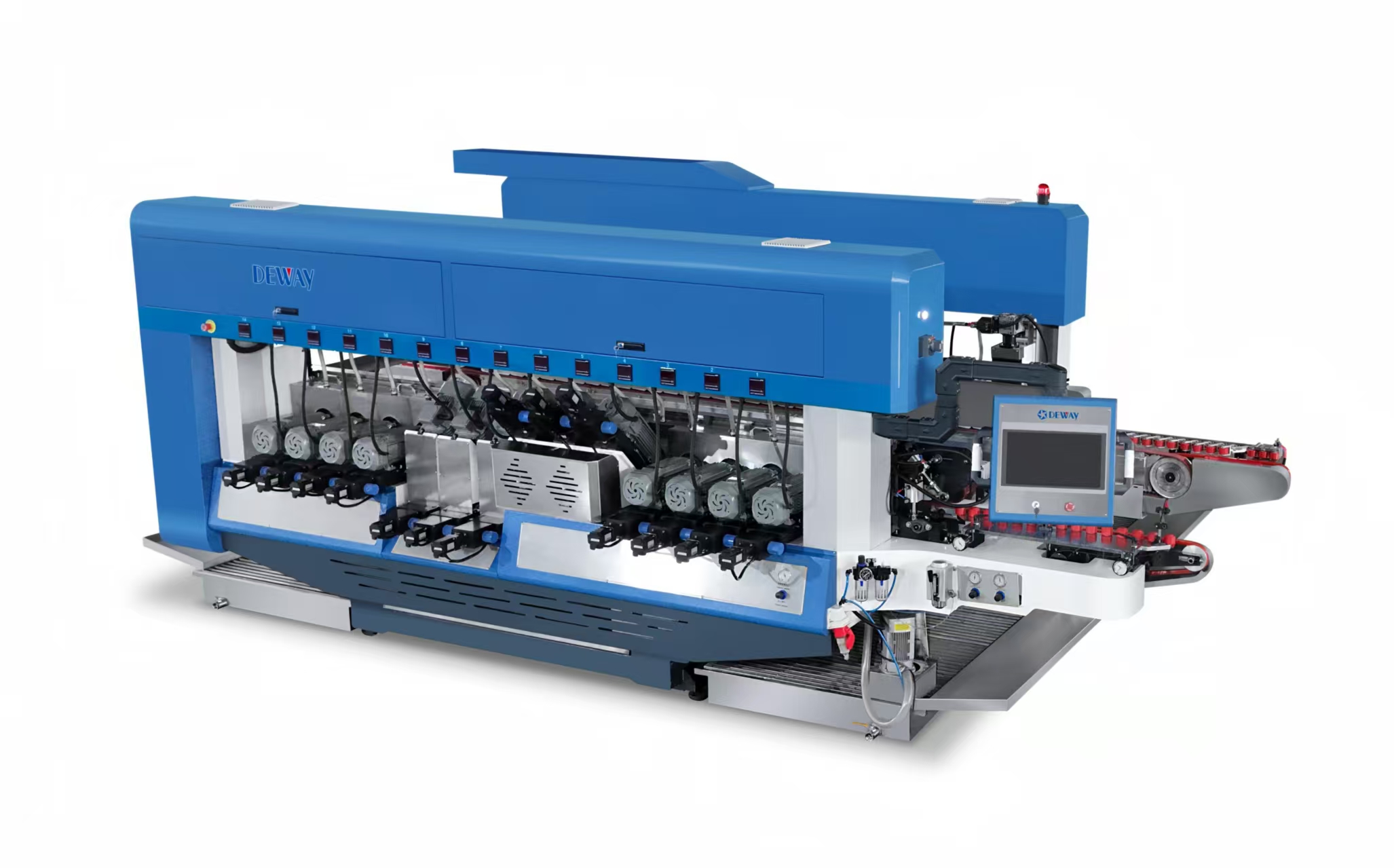
All these glass types-from simple annealed clear glass to complex electromagnetic shielding panels-require precise mechanical processing before installation. The Glass Double Edging Machine for 20 spindles simultaneously grinds and polishes both edges of a glass sheet, delivering perfectly parallel edges at remarkable speed for high-volume production. The Glass Straight-line Pencil Edging Machine creates safe, rounded pencil edges for tabletops, shelves, and architectural railings-combining safety with a professional look. The Glass Miter Machine with 45 degree produces clean, accurate beveled corners for curtain walls and frameless glass assemblies, ensuring tight joints and good weather sealing. The Automated Glass Beveling Machine creates wide, angled decorative bevels on mirrors and high-end doors, adding a brilliant, light-catching sparkle. And the Glass Drilling Machine makes clean, chip-free holes for handles, hinges, or bolts without cracking the glass-even on tempered or laminated panels. When these five machines work together, they transform raw glass into finished components for energy-efficient windows, secure doors, and spectacular curtain walls.
From U-values and shading coefficients to thermal stress and electromagnetic shielding, understanding these basics helps you choose the right glass for any project. And with the right processing machinery, that glass can be shaped, edged, and drilled to perfection. Now you know what truly makes modern windows, doors, and curtain walls work.