
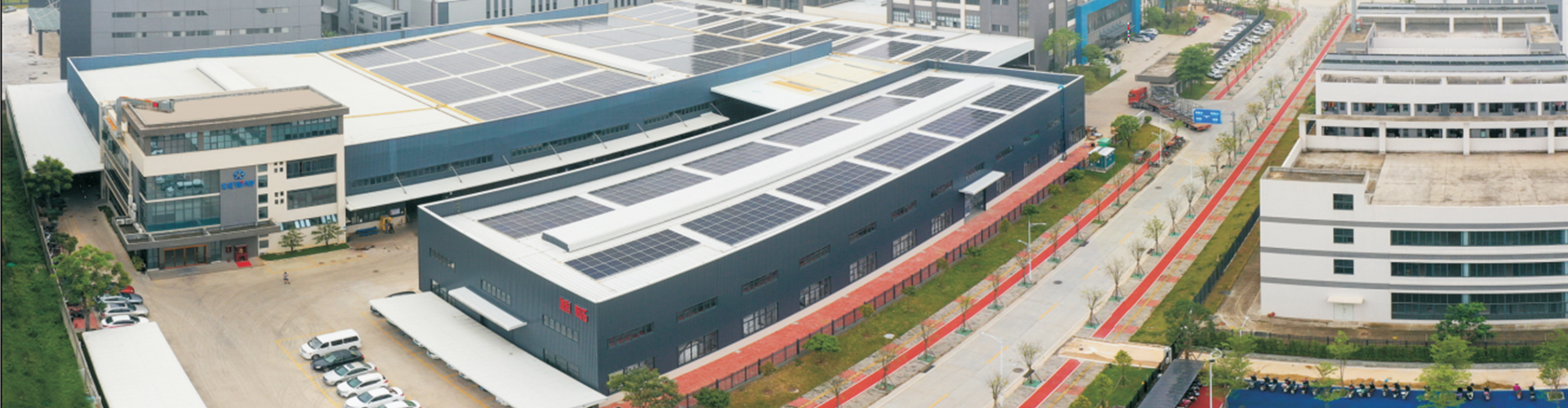
In the modern world of architecture and construction, glass is far more than just a transparent barrier. From high-rise curtain walls to cozy residential windows, the glass we rely on every day has evolved into a sophisticated, multi-functional material. Yet, how much do we truly understand about the fundamentals of doors, windows, and curtain wall glass? This news feature explores a range of essential glass types – from radiation-resistant to vacuum glass – while also looking at the advanced machinery that makes modern glass processing possible, such as the CNC Glass Processing Center, 10-Spindle Glass Bevelling Machine, High speed glass washing machine, horizontal edging machine, and Glass Single Side Edging Machine.
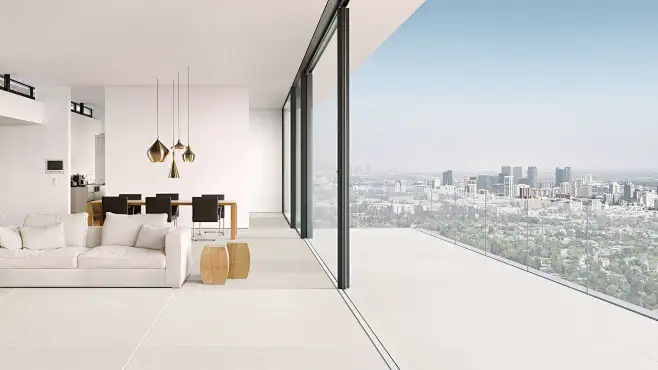
Let’s start with a highly specialized variety: radiation-resistant glass. Glass materials contain various structural defects. When exposed to high-energy rays and particle bombardment, these defects can generate free electrons and holes, which combine to form “color centers” that absorb light. This turns the glass brown or even black, drastically reducing its transmittance. To combat this, lithium-aluminosilicate glass is chosen as the base composition, and radiation stabilizers are added to hinder and reduce the formation of color centers. The result is glass with high mechanical strength, excellent chemical stability, superior thermal shock resistance, and suitability for strengthening treatments. This makes it invaluable as transparent radiation-resistant material – for example, cover glass for solar cells, radiotubes, and protective shields – with great potential in aerospace and defense.
Another important type is ultraviolet-resistant glass. By incorporating cerium oxide (CeO₂) as a UV absorber into an aluminosilicate base, manufacturers produce glass that blocks and filters ultraviolet radiation. This glass also boasts good chemical stability, thermal shock resistance, and radiation resistance. It is used in UV-proof windows, laser protective panels, and shields against organic material UV aging, finding broad applications.
Moving into decorative territory, we have fused glass, also known as crystal relief art glass. Emerging from Western countries and entering the Chinese market only in recent years, fused glass is now a focal point for designers, glass processors, and decorators. Using a special melting furnace, flat glass and inorganic pigments are heated to above the softening point, then molded in shaped dies and annealed with specific heating and cooling curves. Additional steps like carving, drilling, or cutting may follow. The result breaks the conventional flat form, allowing artistic concepts – modern or classical – to be embedded into glass. Products range from fused glass bricks and window panels to large wall inserts, partitions, integrated bathroom washbasins, mirror frames, and art pieces.
Then there is “breathing glass,” a concept as fascinating as its name. Developed by Yoshida Industrial Company in Japan based on a German patent, the so-called FJ window uses glass that “breathes” to remove discomfort from indoor spaces. Measurements show that rooms with breathing glass maintain a temperature difference of only about 0.5°C, ideal for human senses. Moreover, it is highly energy-efficient – the air conditioning load coefficient drops from 80 (conventional) to 51.9 (lower is better). The window frame is made from special aluminum profiles with external insulation, and the glass itself is double-layered with a reflective infrared coating. A 12-mm gap between panes is filled with argon gas, and the inner side of the glass near the room is coated with a metal film.
Vacuum glass takes insulation to the extreme. Double-layered with the air evacuated from between the panes, it offers unparalleled thermal resistance. Such windows are considered highly practical: in summer, outdoor heat cannot penetrate; in winter, indoor warmth does not escape. They serve as loyal guardians against temperature extremes without the drawbacks of air conditioning.
For those who appreciate artistic flair, colored assembled glass (also known as stained glass or mosaic glass) combines modern shapes with classical elegance. Using materials like patterned, crystal, mirrored, frosted, beveled, and variously colored glass, assembled with copper or aluminum frames in delicate combinations, this glass allows personal creativity to shine. It is popular for decorative partitions and windows.
Insulating glass – commonly known as double glazing – consists of two or more panes of flat glass bonded hermetically around the edges with high-strength, high-airtightness sealants. The cavity is filled with dry air or gas, and a desiccant is placed in the frame. This construction provides excellent thermal insulation, sound reduction, and condensation control. It is widely used in heating, air-conditioning, and noise-control exterior glazing. High-performance insulating glass goes a step further: a special low-emissivity metal film is coated on the outer pane’s cavity side to block solar ultraviolet energy. This yields better energy savings, insulation, and interior comfort, and is available in eight colors for decorative value.
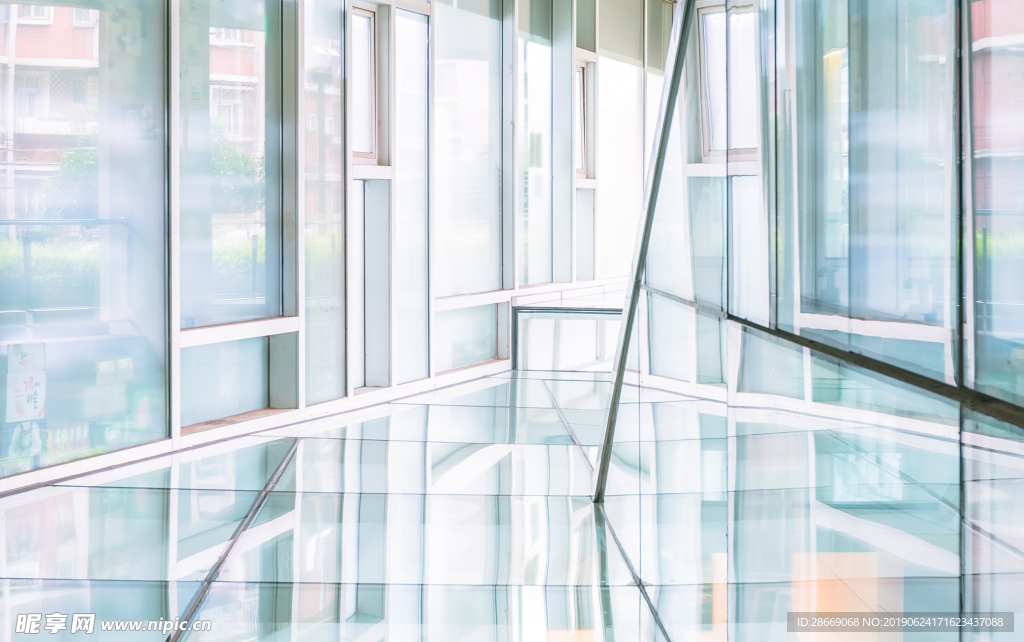
Tempered (or toughened) glass is produced by heating then rapidly cooling, or through chemical treatment. Its strength – bending and impact resistance – is three to five times that of ordinary flat glass. It is safe because of uniform internal stress, breaking into small, blunt granules rather than sharp shards. Applications include windows, partition walls, and cabinet doors, with typical thicknesses of 2-5 mm and standard sizes like 400x900 mm or 500x1200 mm. Heat-strengthened glass (semi-tempered) lies between ordinary and fully tempered glass. It offers higher strength than annealed glass but avoids issues like flatness distortion, spontaneous breakage, and total collapse into pieces. When broken, it cracks radially from the source but generally holds together. Heat-strengthened glass is suitable for curtain walls and windows, and can be coated. However, it is not considered safety glass because broken pieces can be sharp. Surface compression ranges from 24 to 52 MPa (fully tempered requires >69 MPa). Production is similar to tempering but with lower quenching air pressure.
Wired glass (also called safety glass) is made by pressing preheated wire mesh into red-hot, softened flat glass. It is fire-resistant – it does not shatter under high heat – and broken fragments are held by the wire. It also offers some burglary resistance and is used in skylights and balcony windows.
Glass mosaic (glass tesserae or glass paper-backed tiles) are small colored decorative facings, typically 20x40 mm, 30x30 mm, or 40x40 mm, 4-6 mm thick. They come in transparent, translucent, or opaque colors, with gold/silver speckles or patterns. The back has grooves for mortar adhesion. Advantages include soft, elegant colors, chemical and thermal stability, no fading or dust accumulation, light weight, and strong adhesion. They meet national standards for compressive strength, tensile strength, temperature resistance, water and acid resistance, and are used for indoor accents and balcony exteriors.
Float glass is produced by floating molten glass on a bath of molten tin under a protective atmosphere (N₂ + H₂). The glass spreads, levels, and hardens into a perfectly flat, parallel-surfaced ribbon, then is drawn onto rollers, annealed, and cut. Compared to other methods, float glass has no wave distortion, uniform thickness, and exceptionally flat, parallel surfaces. It allows large-scale, continuous, energy-efficient production with high yield and automation, enabling online coating and surface treatments.
Finally, patterned glass (rolled or figured glass) is made by passing molten glass between rollers – one or both of which have patterns. The single-roller method pours glass onto a patterned table; the double-roller method uses water-cooled rollers, typically with one polished roller and one patterned roller. Patterned glass has similar physical and chemical properties to clear flat glass but offers light transmission without visibility, creating illumination, privacy, and decorative effects. It is ideal for interior partitions, bathroom windows, and any area requiring both light and visual screening.
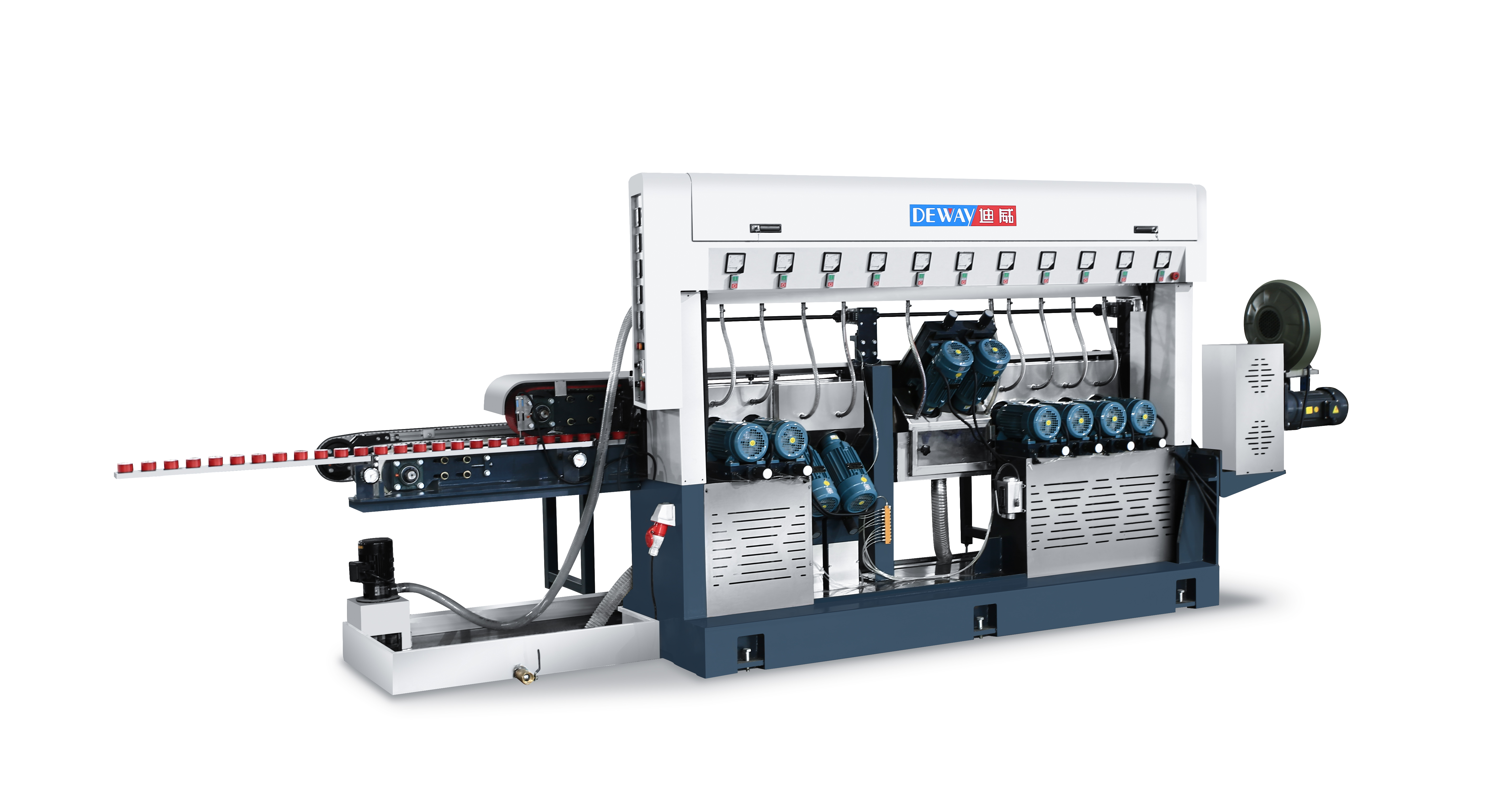
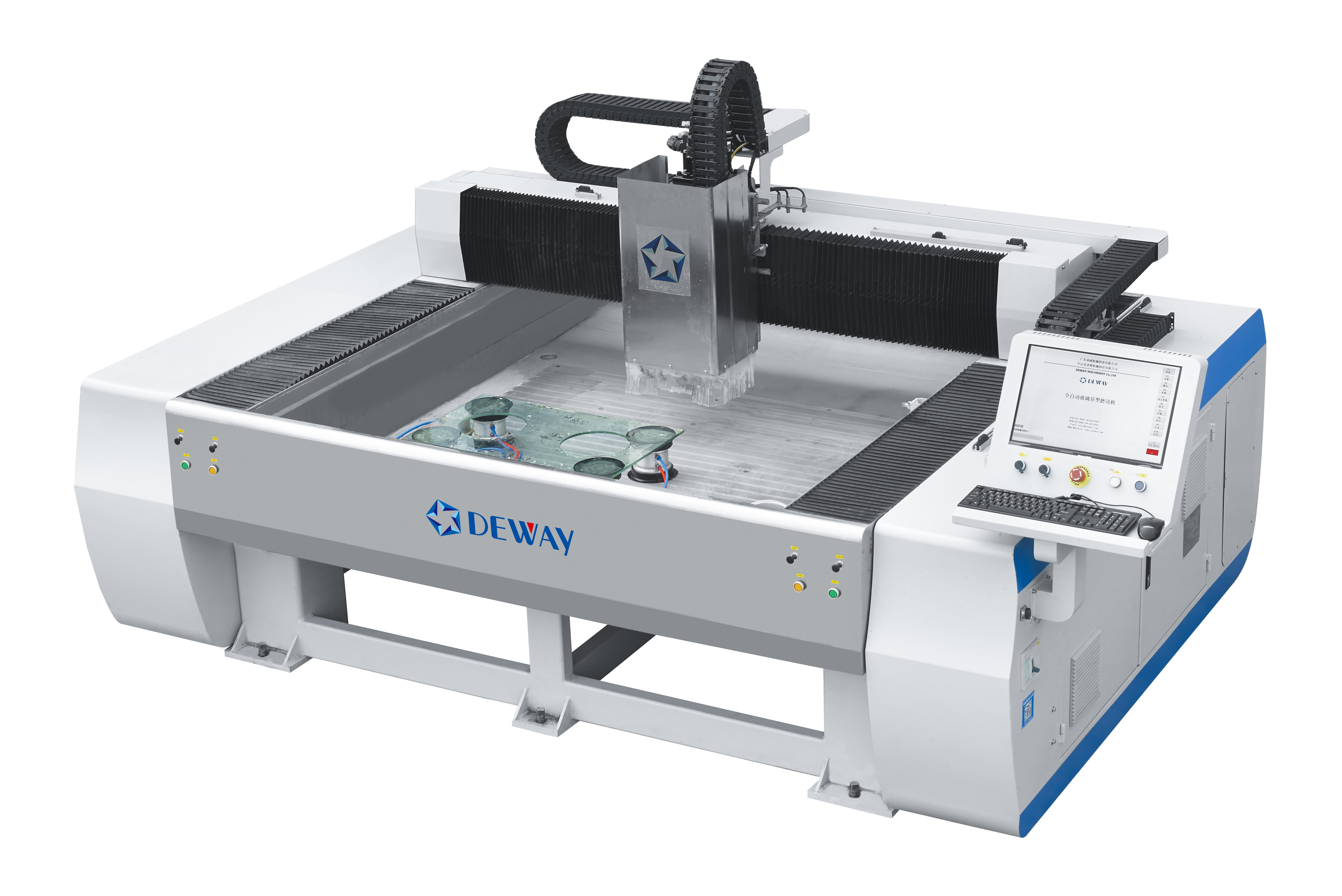
Behind these advanced glass products lie sophisticated manufacturing and finishing equipment. Modern glass processing heavily relies on machinery such as the CNC Glass Processing Center, which enables high-precision cutting, drilling, and milling of complex shapes. For edge finishing, the 10-Spindle Glass Bevelling Machine efficiently produces beveled edges with multiple spindles working in sequence. Before any further processing, pristine cleanliness is critical – hence the High speed glass washing machine ensures thorough removal of contaminants. The horizontal edging machine provides fast, accurate edge grinding for straight edges, while the Glass Single Side Edging Machine focuses on one edge at a time for specialized tasks. Together, these machines represent the backbone of modern glass fabrication, turning raw glass into the high-performance products used in doors, windows, and curtain walls.
In summary, from radiation shielding to artistic expression, and from energy-saving vacuum panes to patterned privacy glass, the world of architectural glass is rich and diverse. And thanks to advanced processing centers and edging machines, these glass types can be manufactured with the precision and efficiency demanded by today’s construction industry. Whether you are a builder, designer, or homeowner, knowing these basics will help you make informed choices for your next project.