
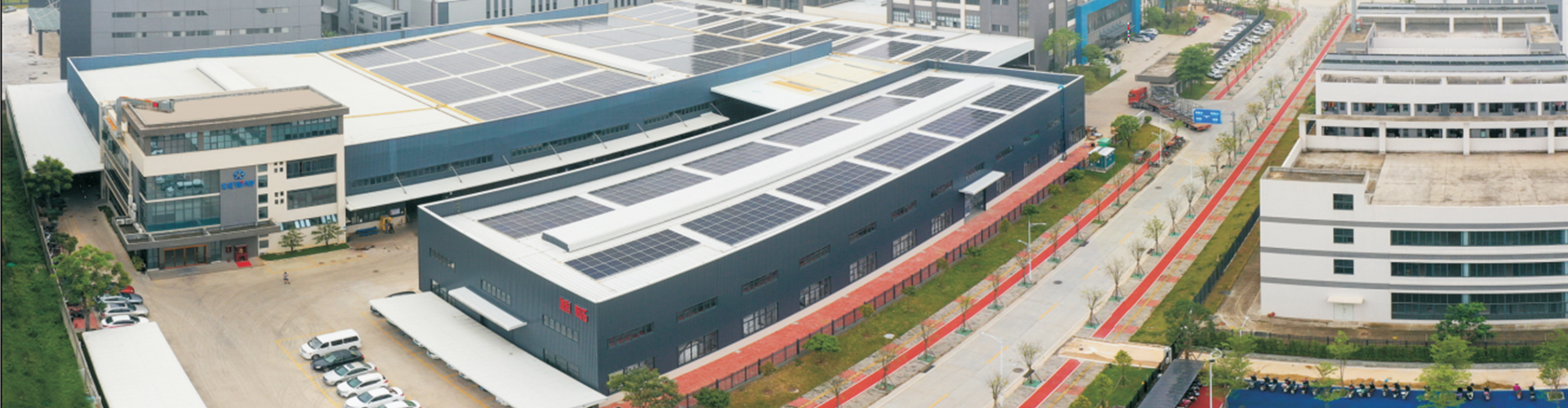
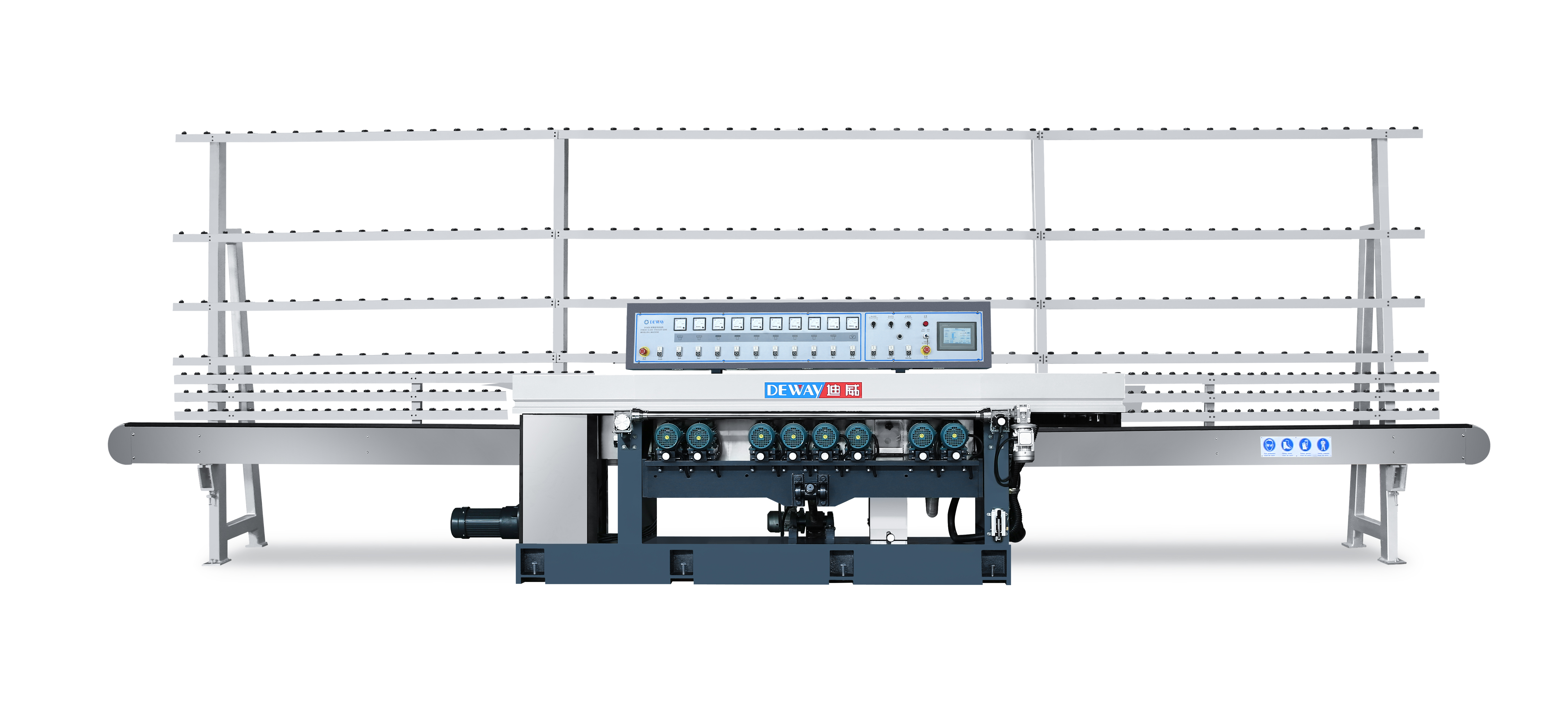
In the rapidly growing glass fabrication sector, precision machinery such as the 11-Spindle Glass Beveling Machine has become indispensable for producing high-quality beveled edges on architectural glass, furniture panels, mirror frames, and decorative art pieces. Renowned for its stepless variable-speed drive, smooth transmission, user-friendly operation, and outstanding grinding accuracy, this machine can complete coarse grinding, fine grinding, polishing, and bottom-edge finishing in a single pass. However, even the most sophisticated equipment will fail to deliver its promised performance if the installation environment does not meet strict technical criteria. The same principle applies to other key workshop tools, including the Glass Single Edging Polisher, the CNC Glass Processing Center, the Glass Miter Machine, and the Glass Washing Machine. Industry experts consistently emphasize that proper site preparation is the very foundation of long-term precision, productivity, and safety. In this report, we examine the four critical installation requirements that every glass processor must follow.
Foundation Stability—The Bedrock of Precision
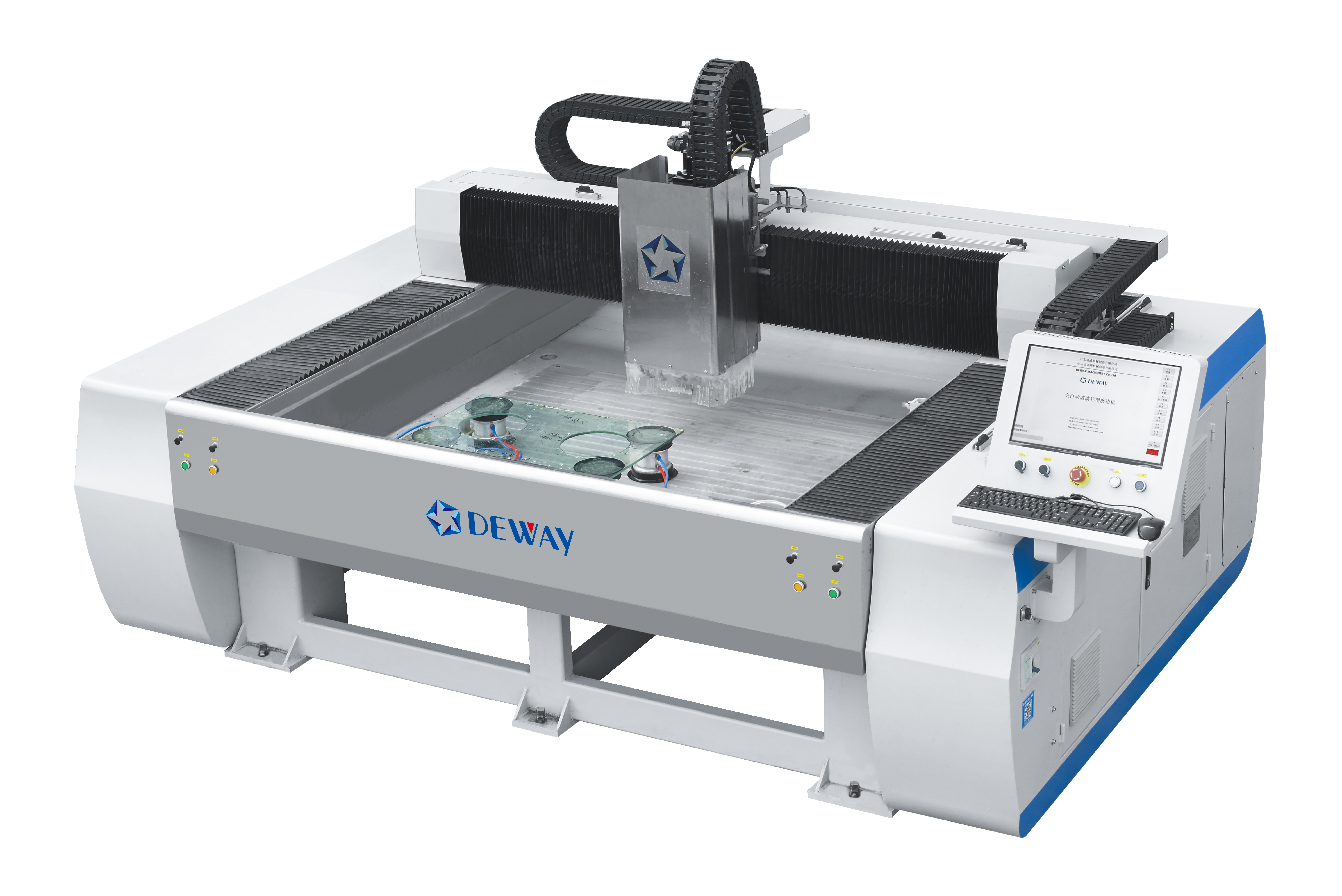
A solid, level base is the first and most fundamental requirement. The installation site must be paved with a reinforced concrete slab of at least 150 mm (6 inches) in thickness over a compacted gravel sub-base. This robust foundation serves two essential purposes: it bears the full dead weight of the machinery, and more importantly, it dampens operational vibrations that could otherwise compromise grinding tolerances. For high-speed rotating spindles and multi-axis movements—especially on a CNC Glass Processing Center where positioning accuracy is measured in hundredths of a millimeter—even minor settling or harmonic resonance can lead to irreversible deviations in edge geometry. Therefore, the concrete should be allowed to cure completely before machine placement, and anchor bolts must be embedded according to the manufacturer’s layout drawings. Regular checks for levelness using precision spirit levels are recommended after the first few weeks of operation.
Water Supply and Drainage—Keeping the Process Cool and Clean
During beveling, edging, and polishing, friction generates substantial heat that can rapidly degrade diamond grinding wheels and cause thermal stress fractures on the glass surface. To counteract this, a continuous flow of cooling water is essential. The 11-Spindle Glass Beveling Machine and the Glass Single Edging Polisher typically require large volumes of water for both lubrication and debris removal. Consequently, the equipment should be positioned near the perimeter of the workshop, where access to mains water and floor drains is readily available. Ideally, a dedicated long-shaped recirculation tank should be constructed against the wall directly behind the machine. This reservoir allows the water to settle, with glass swarf sinking to the bottom while the clarified coolant is pumped back to the work area. Regular replacement of the circulating water is mandatory to prevent clogging of pumps, pipes, and spray nozzles. For the Glass Washing Machine, which performs final cleaning of polished surfaces, even higher water purity is often required; therefore, a separate filtration or deionization system should be planned in advance to avoid water spots or residue on finished products.
Clearance Aisles—Ensuring Safe Operation and Maintenance
Adequate working space around each piece of equipment is not a luxury—it is a necessity. The installation layout must provide unobstructed access aisles on all four sides of the machine. These corridors enable operators to load and unload glass sheets safely, adjust settings, and monitor the processing in real time. Equally important, maintenance personnel require room to perform routine tasks such as replacing worn grinding wheels, lubricating linear guides, inspecting electrical cabinets, and calibrating sensors. For the Glass Miter Machine, which often involves frequent tool changes for different miter angles, and for the CNC Glass Processing Center, which has multiple movable axes and a tool magazine, a spacious service area directly impacts downtime and repair efficiency. A good rule of thumb is to maintain a minimum clearance of 1 meter on the operator side and at least 0.8 meters on the rear and side panels, though larger dimensions are advisable for heavier or longer workpieces.
Environmental Protection—Shielding Against Corrosion, Humidity, and Heat
The final, yet equally vital, requirement concerns the ambient conditions of the workshop. Glass processing machines contain precision bearings, servo motors, electronic control boards, and pneumatic components that are highly sensitive to moisture, elevated temperatures, and corrosive atmospheres. Specifically, the installation site must not be exposed to:
- Excessive humidity—which can cause condensation inside electrical panels, leading to short circuits and erratic behavior.
- High temperatures—above 40°C, which degrade lubricant viscosity and reduce spindle bearing life.
- Acidic gases or chemical fumes—commonly found near plating, etching, or cleaning stations. These aggressive vapors attack exposed metal surfaces, accelerate oxidation of guide rails, and damage the reflective coatings on optical sensors.
For this reason, all equipment—from the 11-Spindle Glass Beveling Machine to the Glass Washing Machine—should be placed in a well-ventilated, climate-controlled area, isolated from chemical storage and processing zones. Installing exhaust fans, dehumidifiers, or even air-conditioning units may be justified for facilities operating in tropical or industrial environments.
Conclusion—A Worthwhile Investment
In summary, the installation environment is not a secondary consideration but a decisive factor that directly influences product quality, machine longevity, and operational safety. Whether you are setting up a dedicated beveling line with a Glass Miter Machine, a fully automated CNC Glass Processing Center for complex shapes, or a finishing station with a Glass Single Edging Polisher and Glass Washing Machine, the same four principles apply: a sturdy concrete base, reliable water supply and drainage, ample service access, and a clean, dry, non-corrosive atmosphere. By meticulously planning these site conditions before the machinery arrives, glass fabricators can maximize their return on investment, reduce unplanned downtime, and consistently deliver flawless edges that meet the most demanding specifications.