
As the global energy transition accelerates and the photovoltaic (PV) industry matures, one component has increasingly captured market attention: PV glass. From its critical role in module encapsulation to its impact on system cost and performance, PV glass is at the center of several pivotal debates. This article examines five key questions shaping the industry today.
1. Is Bifacial Generation the Undeniable Future?
Bifacial modules—which generate power from both the front and rear sides—have moved from niche to mainstream. Industry data shows that the global market share of bifacial modules has surged past 50% since 2023, marking the arrival of the “bifacial era.” Looking ahead, forecasts suggest bifacial penetration could reach 86–88% by 2028.
The driving forces are clear. First, global grid parity demands higher-efficiency products. Second, continuous capacity expansion for bifacial cells and modules has improved cost-effectiveness. Large-scale deployment in deserts, Gobi regions, and other utility projects increasingly favors bifacial designs that combine high front-side efficiency with strong rear-side generation. The answer, therefore, is a resounding yes: bifacial generation is here to stay.
2. Dual-Glass vs. Glass + Transparent Backsheet: Lightweighting and Precision Processing Take Center Stage
In the bifacial era, two competing configurations have emerged: dual-glass modules (glass on both sides) and modules using a glass front sheet plus a transparent backsheet. Each has its merits, but the debate now focuses on weight reduction and advanced glass processing.
Traditional dual-glass modules have faced a weight penalty—a large-format dual-glass module can weigh over 32 kg, with the glass alone accounting for more than 26.5 kg. However, the rapid adoption of ≤2.0 mm ultra-thin glass is solving this problem. Thinner glass significantly reduces weight while maintaining mechanical reliability. At the same time, transparent-backsheet designs offer an even lighter alternative—under 25 kg—and some field data suggests they may have slight advantages in self-cleaning and maintenance.
The critical enabler for both routes is advanced glass processing equipment. After the glass sheet is produced, it undergoes a series of cold-processing steps—cutting, handling, edging, drilling—to become a qualified module encapsulation material. The following machines are indispensable:
- Horizontal Glass Double Edging Machine—Simultaneously rough-grinds, fine-grinds, and chamfers two parallel edges of the glass sheet. This machine is fundamental for achieving precise edge dimensions and eliminating micro-cracks.
- Glass Single Edging Polisher—Performs edge grinding and polishing for various flat glass types. Recent patents allow quick adjustment to different PV glass sizes, improving production flexibility.
- Glass Miter Machine with 45 Degree—Enables beveling at 45 degrees, which is particularly useful for producing clean, angled edges on specialty modules or for architectural BIPV applications. This machine handles flat bottoms, multi-angle edges, and slanted surfaces with high finish quality.
- Automatic Glass Drilling Machine—Essential when holes are required for junction boxes or mounting points. The industry is shifting from traditional mechanical drilling to laser drilling, which eliminates chipping and cracking, ensuring smooth, accurate holes that maintain module hermeticity.
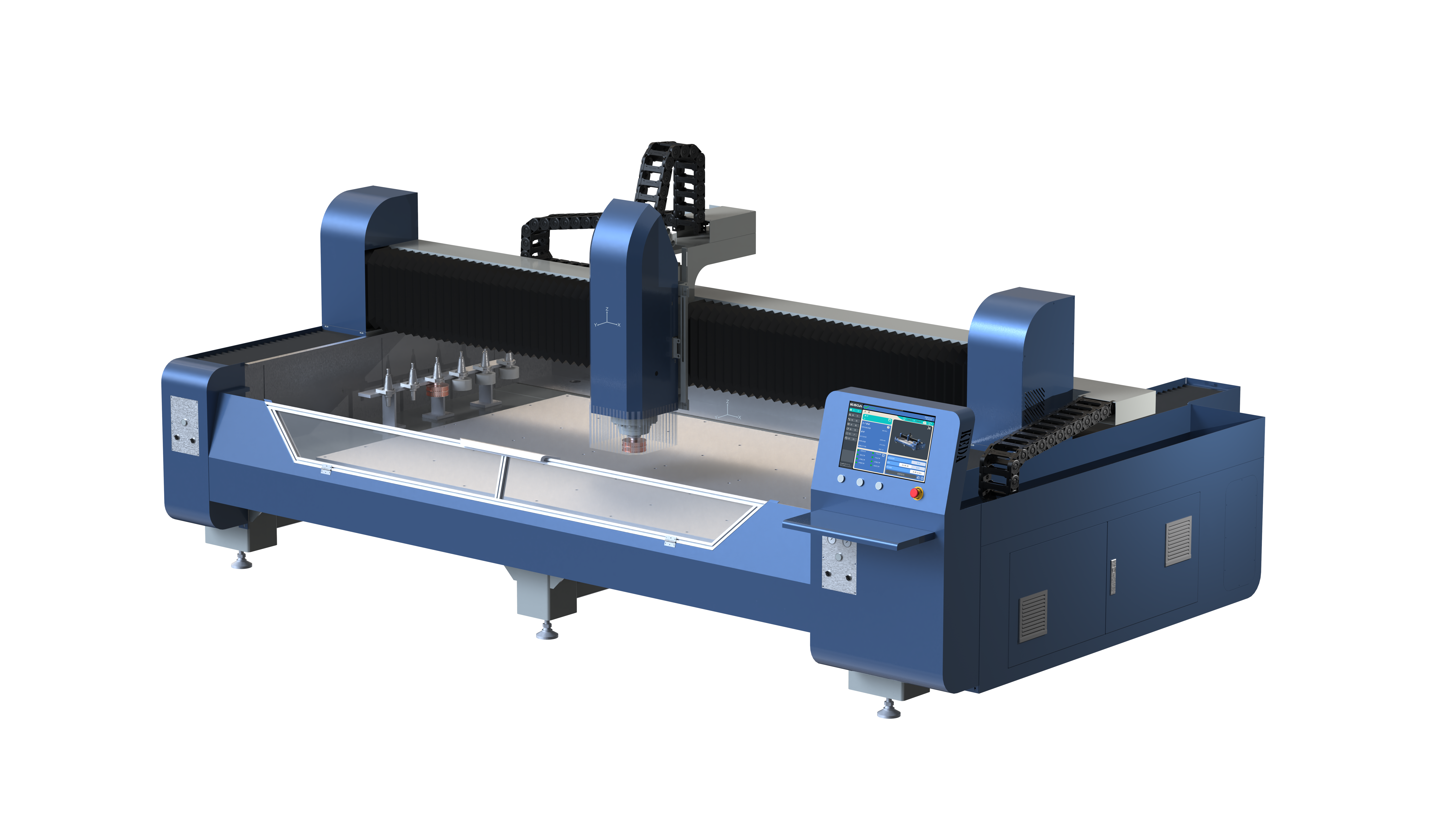
- CNC Glass Machining Center—Integrates edging, polishing, drilling, and even milling into a single automated system. As precision requirements tighten, CNC centers are becoming the backbone of smart glass processing, significantly reducing manual labor and improving yield.
From a market perspective, the strong PV glass outlook is driving rapid growth in the global deep-processing equipment market. The fully automatic flat glass processing machinery segment is expected to reach several hundred million USD by 2032, with a CAGR of approximately 6.9%. Among them, the horizontal glass double edging machine line alone recorded global sales of about USD 286 million in 2025, projected to grow to USD 447 million by 2032.
In summary, while dual-glass modules remain the mainstream choice for utility-scale projects due to superior PID resistance and longer warranty, lightweight designs and advanced processing equipment will shape the competitive landscape.
3. Why Are Top Module Makers Locking Down Glass Suppliers?
PV glass now accounts for a significant portion of total module cost. According to cost-breakdown estimates, glass represents approximately 13–14% of a monofacial module's bill of materials. For a bifacial dual-glass module, that share exceeds 16%. Given this strategic importance, leading module manufacturers have begun securing long-term supply agreements with major glass producers.
This trend reflects deeper supply-chain coordination. Glass supply stability directly affects module production schedules and, ultimately, project delivery timelines. In this environment, top-tier glass manufacturers—with their large furnace capacity, thin-glass technology, and established relationships with module leaders—have gained a strong negotiating position. For smaller module makers, securing glass at competitive prices has become an increasingly critical challenge.
4. Will There Be a Short-Term Price Rally? (Supply-Demand Outlook)
Looking ahead to the remainder of 2026, what does the PV glass supply-demand picture look like?
On the demand side, global PV installation remains robust. On the supply side, the industry currently has virtually no unplanned restart of idled furnace capacity. Inventory levels have stayed low throughout the year. Moreover, some scheduled cold-repairs have been delayed to meet peak seasonal demand, temporarily tightening effective supply.
However, a nuance exists: Rising average module power (e.g., from 400W to 450W per 60-cell module) means that for the same gigawatt of installed capacity, the area—and thus the glass volume—increases more slowly than installation numbers. Even so, the overall trend points to a modest but real possibility of a short-term price firming, especially during the upcoming peak construction season.

5. How Long Will the Current Upswing Last? Long-Term Trends
Cycle duration—When will the current glass upcycle end? From the perspective of announced but not-yet-commissioned capacity, the near-term increase in effective supply is limited. If global PV demand does not drop sharply over the next 12 months, the glass sector's favorable conditions could persist well into 2027.
Competitive landscape—The industry has formed a stable duopoly, with the top two players accounting for over 50% of total capacity. Their advantages include large-scale kilns (1,200+ t/d), mastery of ≤2.0 mm ultra-thin glass, and long-term offtake agreements with leading module brands. Meanwhile, smaller players are actively adding new lines, with new facility locations becoming increasingly concentrated in industrial clusters.
Equipment intelligence—A clear long-term trend is the move toward smart glass processing. Major manufacturers are deploying CNC Glass Machining Centers and automated edging lines to improve yield, reduce labor costs, and meet tighter dimensional tolerances. Digital connectivity and precision control are helping the industry transition from traditional labor-intensive processing to intelligent manufacturing.
Thinner glass and efficiency gains—As glass gets thinner (2.0 mm → 1.6 mm → even thinner), the incremental glass demand from rising bifacial penetration will be somewhat muted. Similarly, higher module efficiency means glass demand grows slower than global installation growth. These structural changes should be closely monitored by both upstream and downstream players.
Conclusion
The PV glass industry is at a critical juncture of accelerating technology iteration and reshaping competition. Every stakeholder—from upstream raw material suppliers to module assemblers and project developers—must closely track glass's supply-demand dynamics and cost pass-through. At the same time, the upgrade of glass deep-processing equipment—from Horizontal Glass Double Edging Machines to CNC Glass Machining Centers—is quietly but powerfully enabling higher processing efficiency, lower operating costs, and ultimately, a more resilient and sustainable PV glass supply chain. The answers to the five burning questions above will determine who wins in the next phase of solar energy's global expansion.