
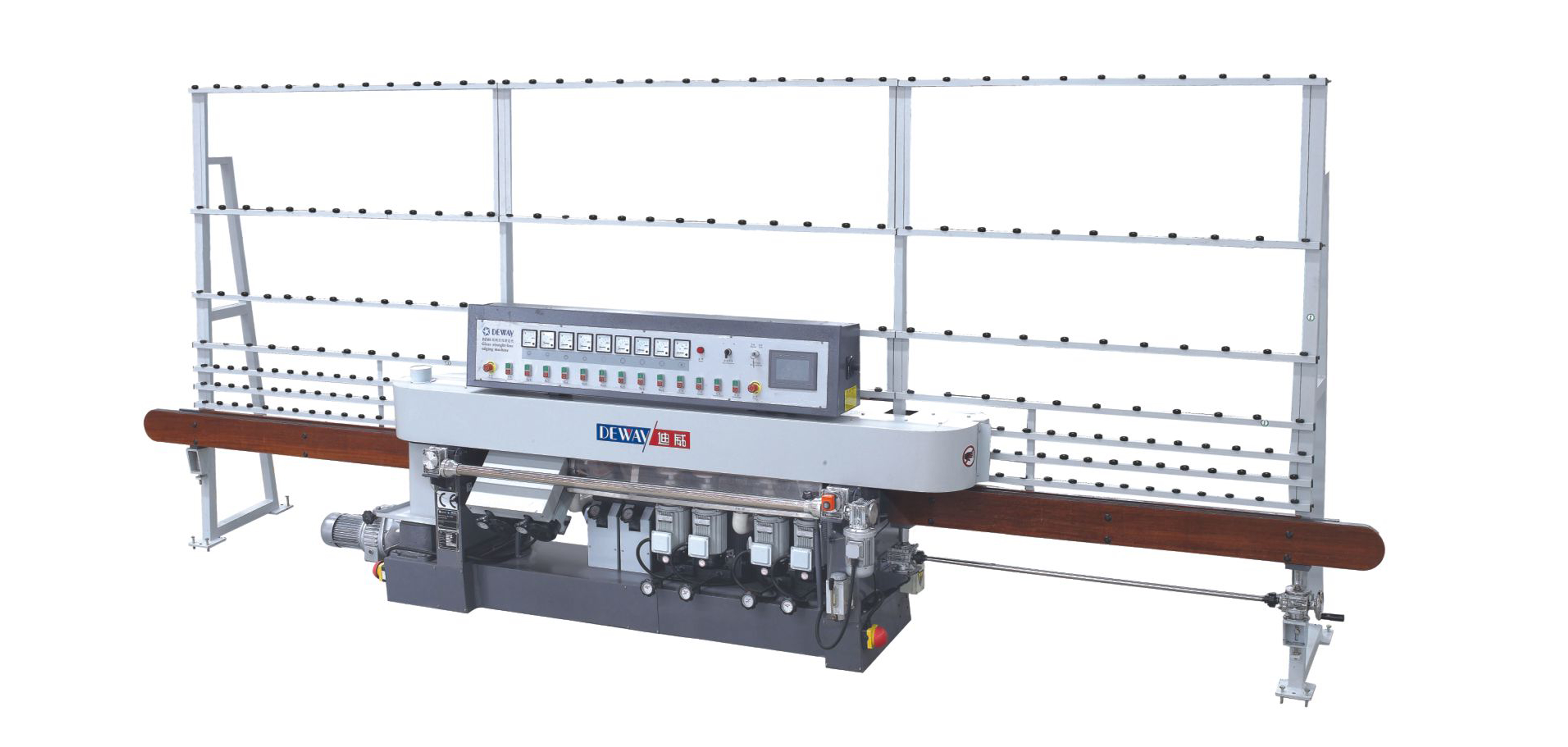
For any professional in glass deep processing, few questions matter more than this: How do you properly debug a glass edging machine to ensure precision, safety, and longevity? With equipment such as the Glass Straight Line Edging Machine, Flat Edge Straight Line Edging Machine, Glass Single Edger, Glass Polishing Machine, and Glass Single Polishing Machine running continuously in thousands of workshops worldwide, correct adjustment and a solid grasp of working principles are not optional—they are essential.
This news-style guide delivers a systematic walkthrough of debugging steps, machine anatomy, and key parameters, all aimed at helping operators achieve bright, smooth edges while avoiding costly collisions, overheating, and premature wear.
Part One: Pre-Debugging Checks and Manual Mode Operation
Before touching any controls, operators must complete a full safety inspection. Only when the equipment is confirmed to be in good condition should debugging begin—and always in manual working mode.
Step 1 – Power and Water System
Turn on the main power switch and the control circuit key switch to energize the whole machine. Then start the water pump and verify that the cooling water circuit is functioning with smooth circulation. Why is water quality so critical? The coolant not only reduces dust and lowers temperature but also prevents glass from cracking due to grinding heat. For optimum results, maintain water pH between 8.5 and 9.5, conductivity below 50 μS/cm, and install a filter of appropriate precision.
Step 2 – Retract the Grinding Wheels
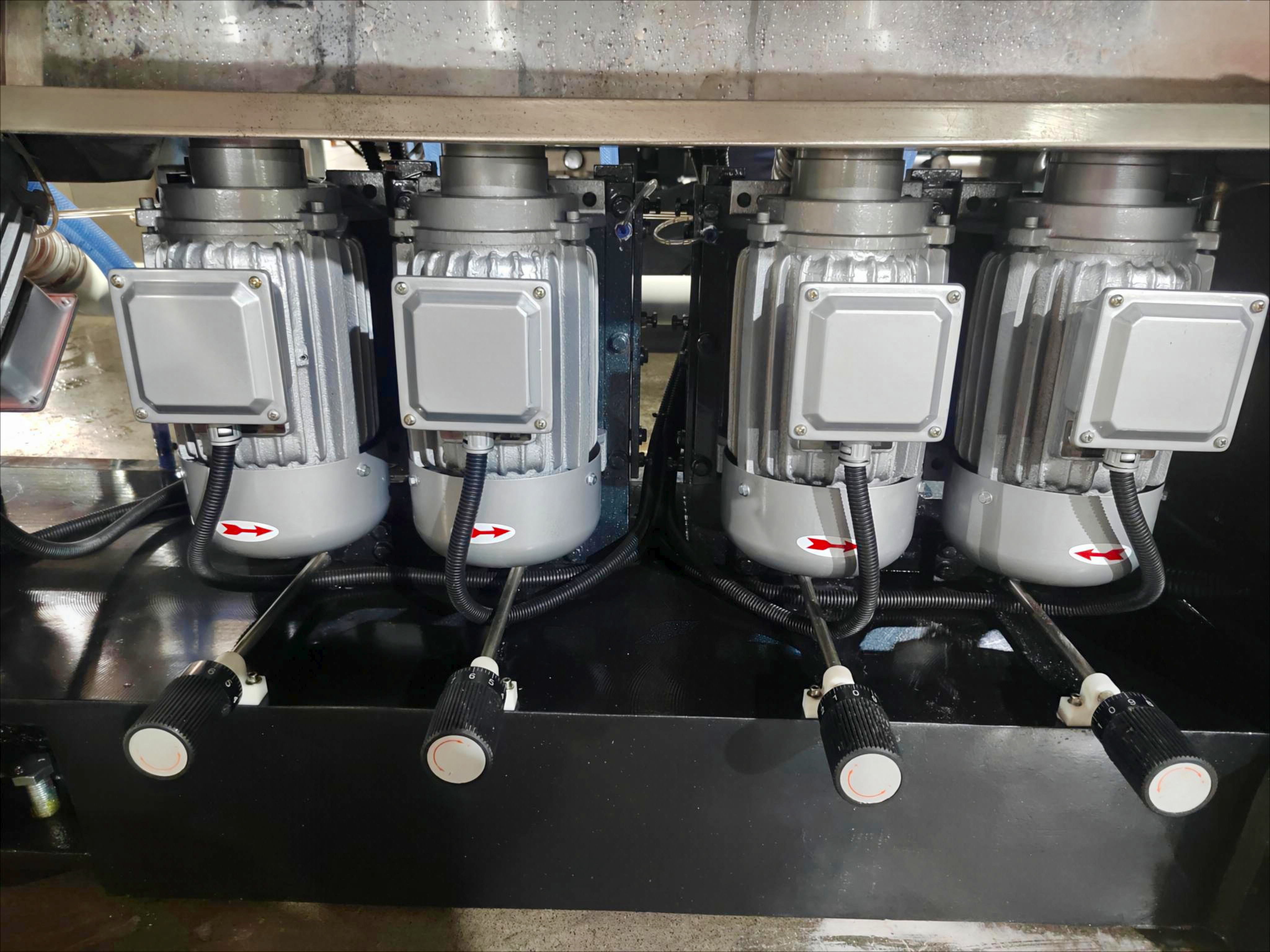
Use the manual feed handles to move each grinding head fully backward, positioning the wheels below the grinding level. This prevents collision when glass is first fed in. While doing so, inspect every grinding wheel for wear. Replace any worn wheels immediately, and after replacement, double check that the water spray nozzles are correctly aimed.
Step 3 – No-Load Test Run
With the water circuit running normally, start the grinding head motors and the conveyor belt motor one by one. Listen and watch for smooth operation—no abnormal vibration or noise. Next, adjust the gap between the front and rear chain plate guides so that it exactly matches the thickness of the glass to be processed. Clamping force must be just right: too loose and the grinding quality suffers; too tight and the machine labors, leading to jitter or crawling. If the machine has a pneumatic system, confirm that the air supply pressure meets specifications.
Step 4 – Trial Run with a Test Piece
Use a sample piece of the same specifications as the actual production glass. After processing, the edge should appear bright and smooth, with no visible tool marks or scratches. If uneven edges appear, fine-tune the guide plates and the grinding head pressure against the glass to distribute the grinding force evenly.
Critical Safety Reminders
When loading glass, keep hands away from the chain belt interior to avoid pinching.
While the grinding wheels are rotating and glass is inside the conveyor belt, do not attempt to change glass dimensions.
Never open the sealed protective cover during debugging.
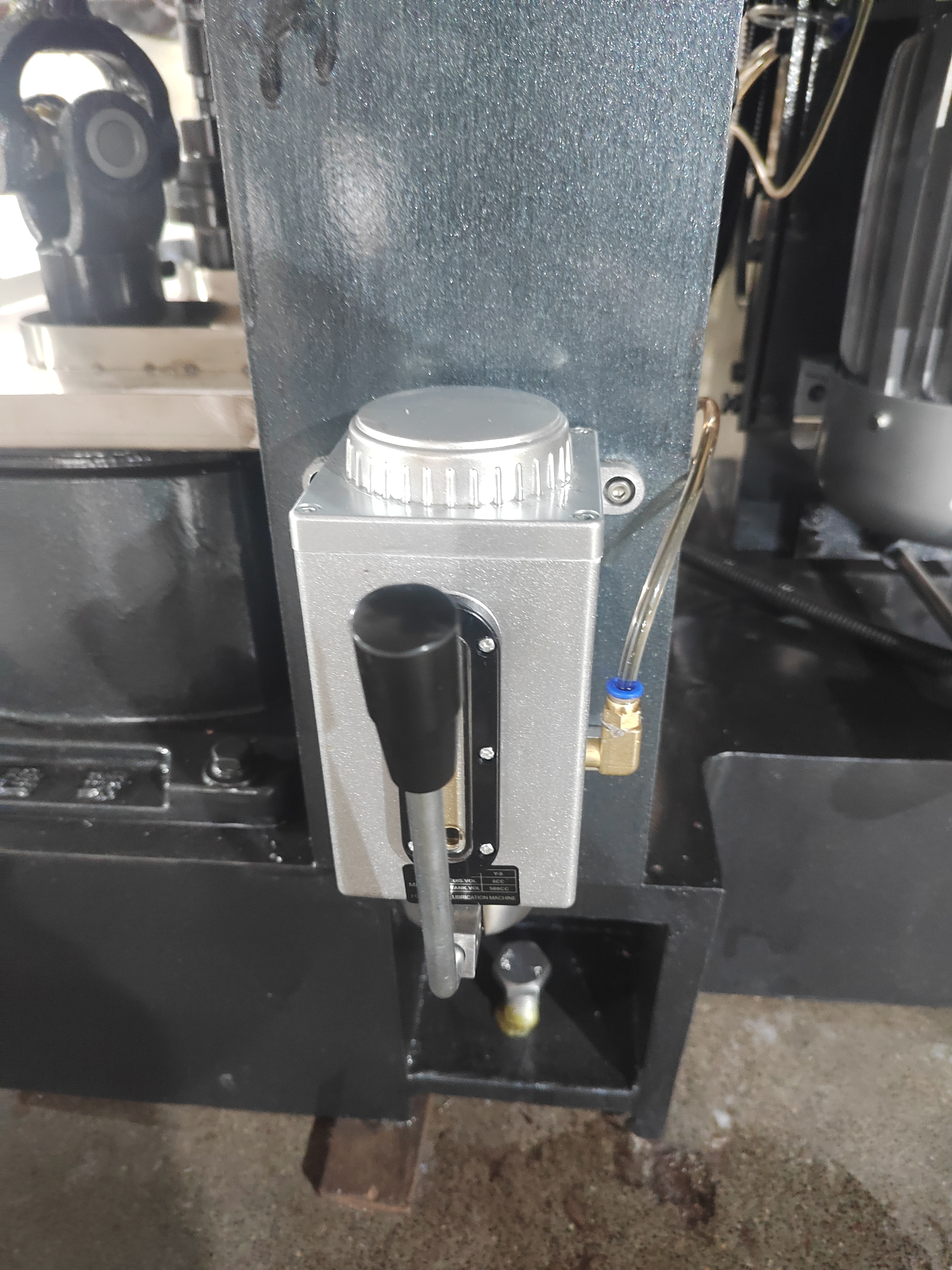
Regularly lubricate sliders and guide rails with mechanical oil.
Part Two: Working Principles and Equipment Anatomy
Understanding how a glass edging machine works is the foundation of effective debugging. In principle, the grinding head motor drives the grinding wheels at high speed to grind and polish glass edges. A standard Glass Straight Line Edging Machine or Flat Edge Straight Line Edging Machine completes rough grinding, fine grinding, and polishing in a single continuous pass. The glass moves at a uniform speed while being clamped by synchronous belts or conveyor belts, passing through wheels of different grit sizes and structures, and emerges with a glossy, perfect edge.
Choosing the Right Grinding Wheels
Depending on the finish required, operators can configure different types of wheels. A typical process route is: diamond rough grinding wheel → diamond fine grinding wheel → 10S series polishing tool → cerium oxide polishing tool (optional).
For glass thicker than 8 mm, the rough grinding wheel grit should be #80 to #120.
For glass between 3 mm and 8 mm thick, use #120 to #150 grit for rough grinding.
For bottom edge wheels No. 1 and No. 2, 150 mm diameter wheels with #100 and #240 grit are recommended.
For chamfering wheels, choose 130 mm diameter wheels with #240 grit.
What about wheel bonding materials? Metal-bonded wheels offer a service life of 800 to 1,200 hours, withstand high temperatures, and are ideal for continuous operation. Resin-bonded wheels, on the other hand, provide better self-sharpening and a superior surface finish, though their lifespan is shorter.
Structural Highlights of a Glass Single Edger
A conventional single-side Glass Single Edger consists of the main frame (base, columns, front and rear beams, grinding wheel water tank, motors, and electrical control box), infeed and outfeed guide rails, glass support racks, and a floor-mounted water tank. The grinding assembly integrates multiple independently driven, multi-angle wheels, covering everything from coarse material removal to high-gloss polishing.
To ensure long-term stability, critical supporting parts like the base and front/rear beams are typically cast in iron and then quenched or naturally aged. This increases mechanical rigidity, so the machine maintains high precision even after a decade of use. Such cast structures generally give a service life of 10 to 15 years.
Clamping is handled by synchronous belts whose surfaces are often coated with PU and red rubber. This combination provides the right amount of clamping force and friction while solving the common problem of fragile ultra-thin glass being difficult to hold and convey. Meanwhile, cooling water is delivered through main and branch pipelines to every grinding zone, with wastewater returning to the tank for recycling.
Part Three: Key Process Parameters
Glass thickness: Depending on the machine model, the workable range is generally 1 to 20 millimetres.
Processing speed: Infinitely adjustable from 0 to 4 metres per minute – select according to the required finish and glass type.
Cooling water quality: Maintain pH between 8.5 and 9.5, with conductivity below 50 μS/cm.
Daily lubrication: Use N32 mechanical oil, regularly applied to sliders and guide rails.
Maximum continuous runtime: Do not exceed 24 hours of uninterrupted operation, otherwise servo electrical systems and mechanical components may suffer reduced life.
All repair and debugging work must be performed by trained or experienced personnel holding proper certification. Untrained individuals are strictly forbidden from making adjustments without authorisation – incorrect adjustments can damage the equipment or corrupt control programs.
Part Four: Practical Advice for Glass Polishing Machines
For a dedicated Glass Polishing Machine or Glass Single Polishing Machine, the same principles apply, with extra attention to the polishing stages. The cerium oxide wheel (if used) requires precise water flow and moderate pressure to achieve a mirror finish. When switching from a Glass Single Edger to a polishing machine, always verify that the edge profile is consistent and that no rough marks remain from earlier stages.
Operators often ask: “How do I know when to replace a polishing wheel?” The answer lies in the edge appearance. If the gloss diminishes or fine scratches appear despite normal water quality and speed, it is time to change the polishing tool.
Part Five: Summary – Why This Matters for Your Production Line
By rigorously following the debugging procedures described above, understanding the edging and polishing principles, and adhering to the key parameters, companies can dramatically improve processing accuracy and operational stability. Whether you run a Glass Straight Line Edging Machine, a Flat Edge Straight Line Edging Machine, a Glass Single Edger, a Glass Polishing Machine, or a Glass Single Polishing Machine, the core disciplines remain the same: careful preparation, proper water chemistry, correct wheel selection, and regular lubrication.
These practices extend equipment life, reduce unsafe incidents, and ensure that every glass edge emerges bright, smooth, and free of defects. In the competitive world of glass deep processing, that makes all the difference.