

An expert’s guide to tackling the “invisible killer” from material defects to processing pitfalls
Glass spontaneous breakage has long been an unpredictable “hidden risk” in many homes and public spaces. Why does seemingly intact glass suddenly shatter? Is it a quality defect or improper installation? In this news feature, we interview industry experts from the glass machinery sector to uncover the real culprits behind self-breaking glass and effective ways to reduce the risk.

Intrinsic Defects: Nickel Sulfide – The No.1 Culprit
During the production of ordinary tempered glass, if impurities such as nickel sulfide (invisible to the naked eye) are not completely removed, these substances expand with temperature changes, causing internal stress imbalance and eventually leading to unexpected spontaneous breakage. This type of breakage typically occurs within one to five years after installation and cannot be predicted through routine visual inspection.
How to lower this risk?
Choose ultra-clear glass: Ultra-clear glass contains extremely low levels of impurities, with a spontaneous breakage rate controllable below 0.01% – far superior to the roughly 0.3% rate of ordinary glass.
Heat soaking treatment (homogenisation process): The tempered glass is placed in a high-temperature furnace to simulate long-term service conditions, prompting defective glass to break in advance so that only qualified products are selected. After this process, the breakage rate can be further reduced to below 0.1%.
External Factors: Poor Processing and Installation – The “Acquired Hazard”
Even if the glass itself is of good quality, negligence in processing and installation can become a trigger for spontaneous breakage.
Substandard edge finishing: After cutting, if the glass edges are roughly ground or have micro-cracks, external forces such as temperature swings or wind pressure can cause stress to spread from these defects, eventually leading to breakage.
Uneven installation stresses: Frame deformation, over-tightened screws, or hard contact between glass and frame profiles can subject the glass to localised excessive stress, significantly increasing the risk of breakage.
To address edge-finishing issues, modern glass processing relies on high-precision equipment. For instance, a Glass Straight-line Single Edging Machine ensures smooth and accurate edge grinding, while a Glass double line edging machine handles high-volume production with consistent quality. For beveled edges or corner cuts, a Glass Miter Machine and a Glass Straight-line Bevelling Machine provide the necessary precision to eliminate micro cracks. Finally, thorough cleaning before installation using a Glass Washing Machine removes any residual debris that could cause local stress points. By integrating such advanced machinery, manufacturers can greatly reduce the risk of edge-related spontaneous breakage.
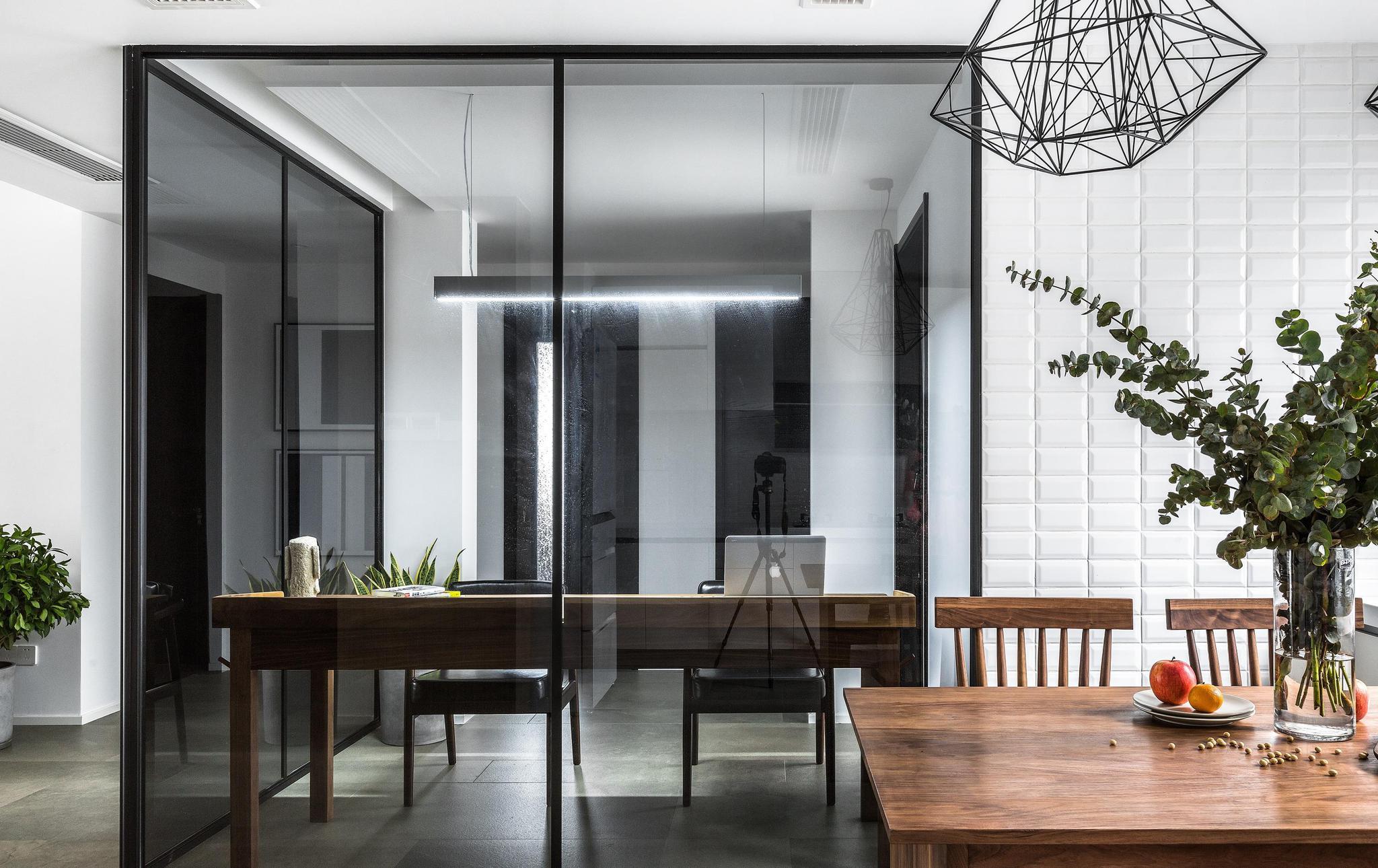
Buying Guide: Look for Certification and Choose Trusted Brands
To minimise the risk of spontaneous breakage, experts recommend that consumers follow these guidelines when purchasing doors and windows:
Insist on 3C certification: Tempered or laminated glass must bear the compulsory 3C certification mark, which should be fused into the glass itself, not a simple sticker.
Prefer laminated glass: Even if breakage occurs, fragments remain bonded to the interlayer, reducing the risk of flying shards.
Choose reputable brands: Established manufacturers typically perform breakage tests on every batch of glass and apply heat-soaking (homogenisation) treatment, reducing the industry’s typical breakage rate of about 0.3% to below 0.15% – a significant improvement in safety.
Prevention First, Safety Above All
Although spontaneous glass breakage cannot be eliminated completely, the risk can be minimised by selecting high purity materials, strictly controlling production processes, and ensuring standardised installation. Consumers should avoid focusing solely on low prices and instead request quality inspection reports and process documentation from suppliers. After all, safety is the first line of defence for a comfortable home.