
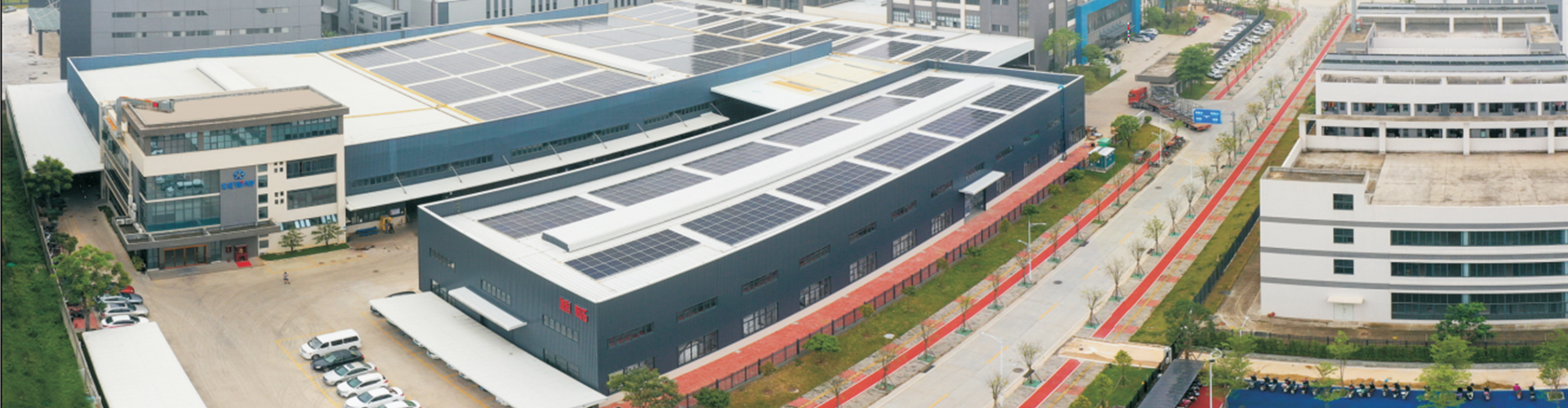
A new industrial roadmap predicts that the coming five years will fundamentally redefine glass manufacturing. Driven by urgent demands for sustainability and digitalization, glass machinery—from the classic Glass Straight line Edging Polisher to the fully integrated CNC Glass Processing Center—is transitioning from a producer of materials to a central hub for intelligent value creation. This shift, building on key breakthroughs anticipated around 2025, promises to reshape global supply chains from the factory floor to outer space.
Converging Forces for Change
Three powerful forces are aligning to drive this revolution. First, stringent global policies, such as China's push for over 75% digitalization in equipment manufacturing and the EU's Carbon Border Adjustment Mechanism (CBAM), are mandating smarter, cleaner production. Second, exploding demand from sectors like photovoltaics—where glass capacity needs are vast—requires unprecedented gains in efficiency and precision across all processes. Third, a suite of technologies, from AI-powered optimization to nanoscale laser cutting, is now moving from labs to pilot production lines.
Six Pathways to Transformation, Powered by Smart Equipment
Industry experts identify six core directions where innovation will concentrate, deeply integrating next-generation machinery:
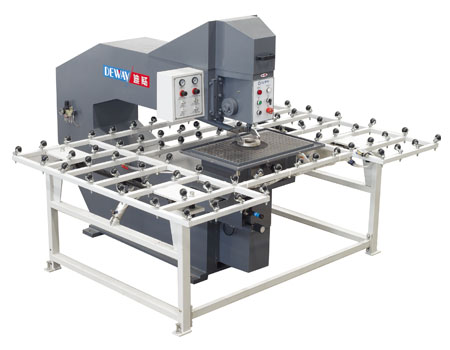
1. The Intelligent Plant Core: Digital Twin technology, creating virtual replicas of entire production lines, will become the operational brain. This allows for the simulation and precise control of every piece of equipment, whether it's a giant furnace or a high-speed Glass Drilling Machine, optimizing parameters in real-time to predict failures and minimize energy use.
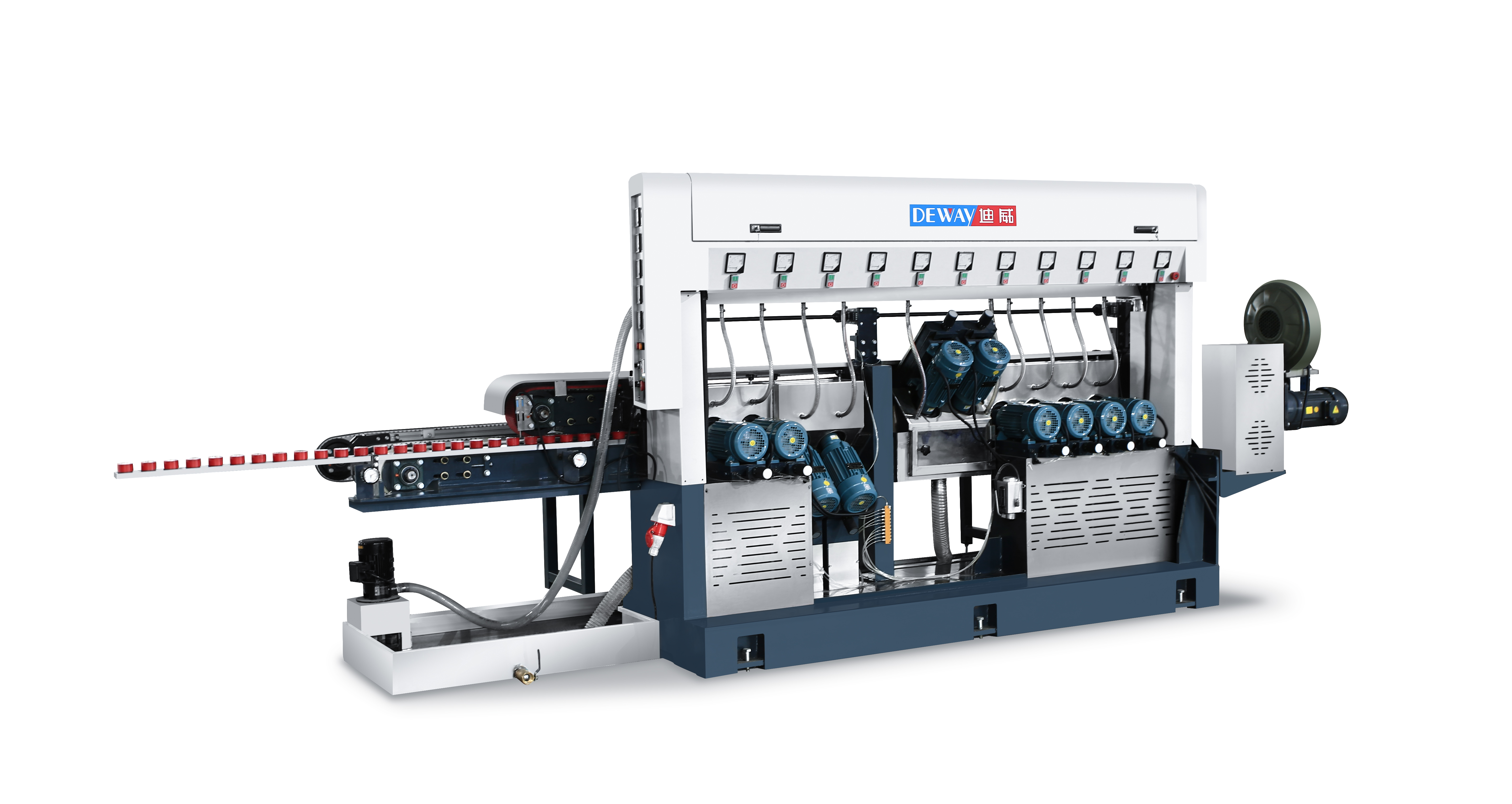
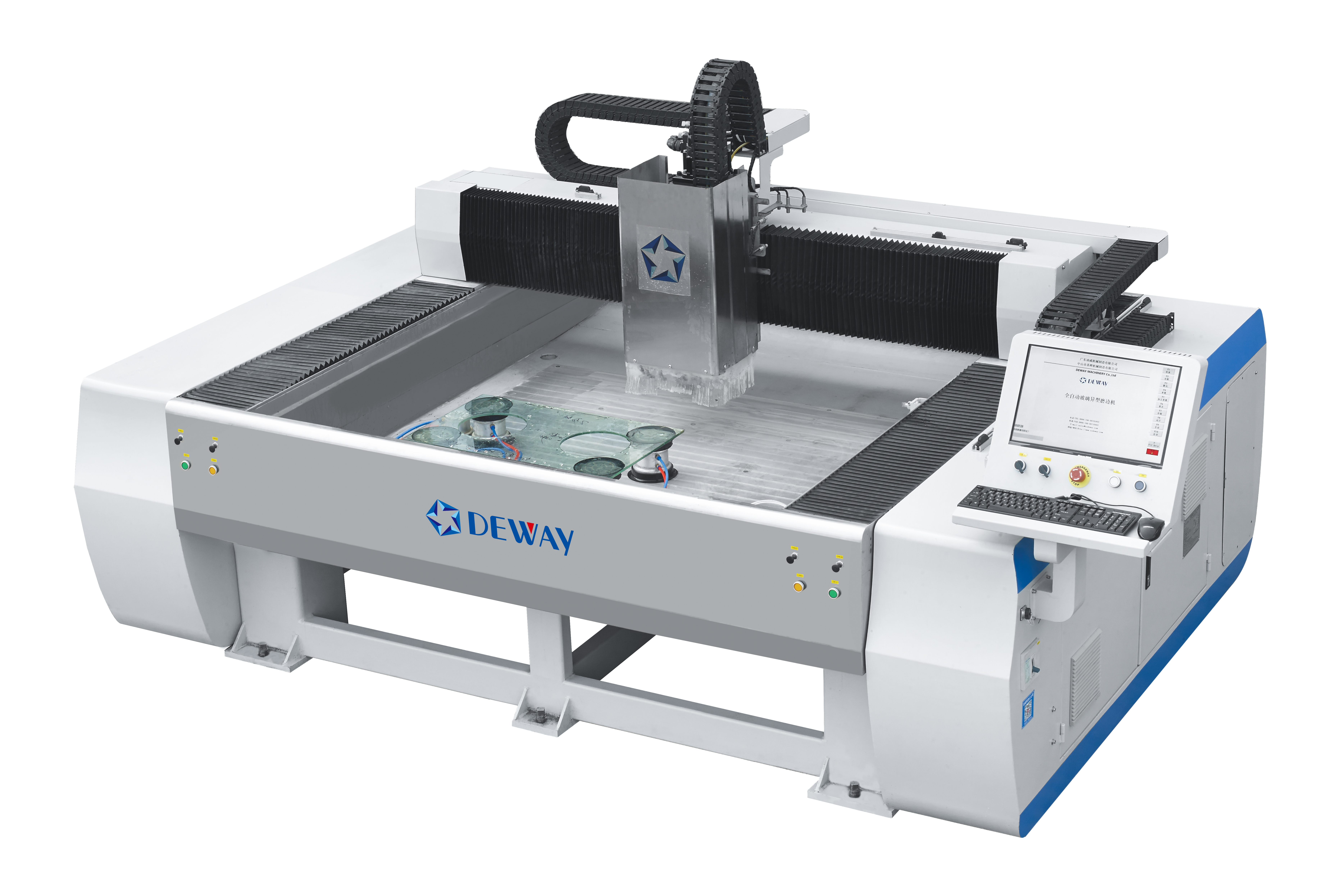
2. The Era of Ultra-Precision & Flexibility: As glass products diversify, machinery must achieve extreme precision and adaptability. Next-generation CNC Glass Processing Centers will be capable of seamlessly switching between cutting, milling, and drilling complex shapes for various industries. Alongside them, advanced Multi-Thickness Glass Beveling Systems will allow a single line to finish edges on everything from thin display glass to thick architectural panels with perfect consistency, eliminating the need for multiple dedicated machines. Supporting this, the humble Glass Straight line Edging Polisher is evolving into a fully automated, self-correcting unit integrated into the digital workflow.
3. The Zero-Carbon Furnace: Decarbonizing the energy-intensive melting process is a top priority. Hydrogen-fueled furnaces, entering pilot stages, aim to slash thermal energy use by up to 40%. Simultaneously, downstream equipment like efficient Glass Drilling Machines and polishing systems are being redesigned to minimize waste and power consumption, contributing to a plant-wide green footprint.
4. Agility as Standard: The future belongs to agile production lines. Manufacturers will need systems capable of rapid changeover, supported by intelligent Multi-Thickness Glass Beveling Systems that auto-adjust for different glass specs. The vision includes compact, modular "micro-factories" built around versatile CNC Glass Processing Centers for on-site or small-batch production.
5. Cobots on the Line: Robotics will move out of cages to work seamlessly alongside humans. They will handle tasks like feeding sheets into a Glass Straight line Edging Polisher or retrieving parts from a Glass Drilling Machine, guided by advanced sensors that ensure safe collaboration in dynamic environments.
6. The Final Manufacturing Frontier: Glassmaking is looking skyward. Experiments with micro-gravity forming equipment are planned, which will require entirely new designs for core processing tools, challenging our earth-bound concepts of how a CNC Glass Processing Center or drilling system operates.
Strategic Implications for the Supply Chain
This transformation creates clear focal points. The demand for smarter, interconnected machines like adaptive Multi-Thickness Glass Beveling Systems and multi-functional CNC Glass Processing Centers will surge. However, risks remain, including the complexity of navigating global carbon regulations and potential cyclical slowdowns in key markets.
The message for industry leaders is clear: the next five years are critical. Success will depend on embracing intelligent, flexible, and sustainable systems. The fundamental tools—the polisher, the beveler, the drill, the processing center—are now becoming interconnected nodes in a digital, green network, promising to unlock new value across a world built on this timeless material.