
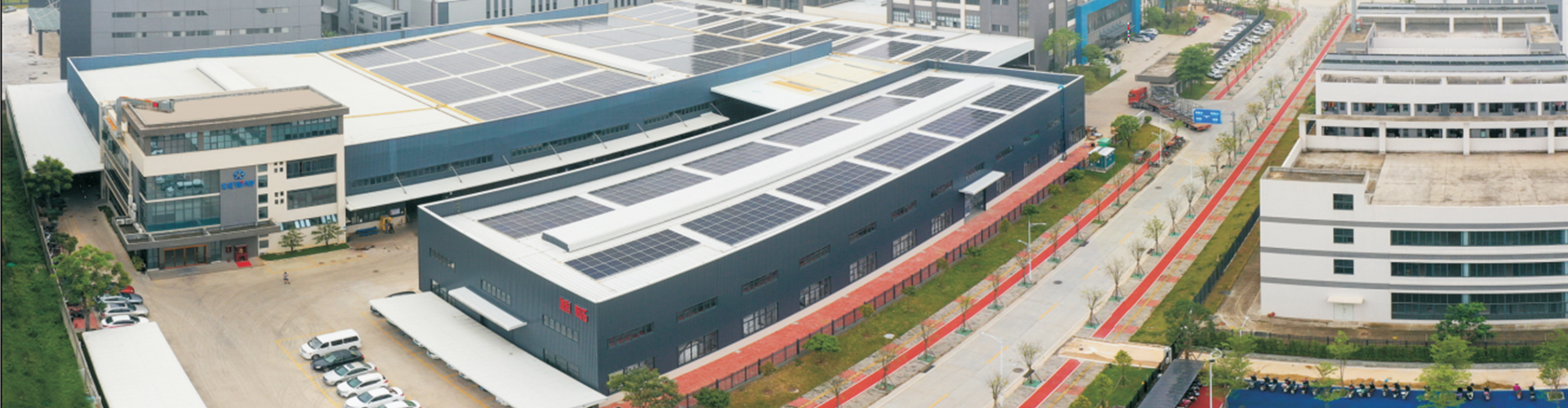
After a prolonged market winter, China’s glass industry stands at a painful crossroads. Float glass producers remain trapped in a real estate slump, with some lines posting losses for a full year. Photovoltaic (PV) glass, despite bright long-term prospects, is drowning in overcapacity. An executive from a major glass maker in Shahe City warns that if left solely to market forces, the industry could bleed for five to ten years before finding a bottom.
Recently, sentiment has seen a tentative boost. Major PV glass players have agreed to cut output by 30%, while expectations of “anti-internal-competition” policies are building. Glass prices rebounded notably in July. However, most insiders agree that the difficulty of reversing the current glut far exceeds the 2015 capacity clearance campaign. No clear capacity-cutting standards exist, and the industry still awaits specific policy guidance.
Wei Nana, director at the Institute of Technical Information for Building Materials Industry, suggests several paths forward: technology upgrades toward higher value-added products, overseas investment and plant construction, faster mergers and acquisitions to balance supply and demand, and demand-driven product development.

Float glass: Cost-price inversion and stuck capacity
Glass prices kept falling through the first half of the year, hitting around RMB 1,100 per tonne in June, with some Hubei prices dropping below RMB 1,000. The property market’s persistent weakness is the main culprit. A Shahe trader, Li Ming, notes that architectural glass last year totalled about 700 million weight boxes, while automotive glass — though growing — was only around 80 million boxes, less than one-seventh of the architectural volume. The demand gap left by real estate cannot be filled by automotive or specialty glass.
Downstream competition has crushed trade margins. Profits that once reached RMB 300 per tonne for non-standard hedged products and RMB 150-200 for standard products have shrunk to just RMB 10-20 per tonne. Deep-processing enterprises face fewer orders and tougher payment collection.
Meanwhile, production costs remain high. While coal-gas users eke out slim profits thanks to lower coal prices, natural-gas-fueled lines are deep in the red. In June, a Shahe executive, Liu Hua, told Cailianshe that losses on gas-fired lines exceeded RMB 200 per tonne.
Why not simply shut down? Cold repair of a single furnace costs tens of millions to hundreds of millions of renminbi. Companies prefer hot repair — staying online while repairing — because reducing output raises average costs and hurts competitiveness. Many also use futures/options hedging to offset losses, hoping for a turnaround later and fearing that exiting now would mean missing opportunities. Uncertainty about restarting after a shutdown also keeps lines running.
Thus, despite industry-wide losses, large-scale shutdowns have not occurred. A Shahe warehouse manager explains that forced closures likely won’t happen until cash flow is exhausted. Local authorities and associations are trying to intervene, such as requiring fuel system upgrades from coal to natural gas in Shahe, adding RMB 40-200 per tonne in costs. The Guangdong Glass Association issued a self-discipline proposal in May to curb cut-throat competition.
Looking back, the 2015 supply-side reforms used environmental rules as a primary capacity-cutting tool. In Shahe, float lines fell from 44 to 19. But today, compliance has improved greatly, so environmental measures are far less effective for direct capacity removal. They mainly raise operating costs and slowly erode financial buffers. Given the strong profits of recent years, companies have built up considerable cash reserves. Liu Hua predicts that if the current cycle relies only on market forces, the trough could last five to ten years.
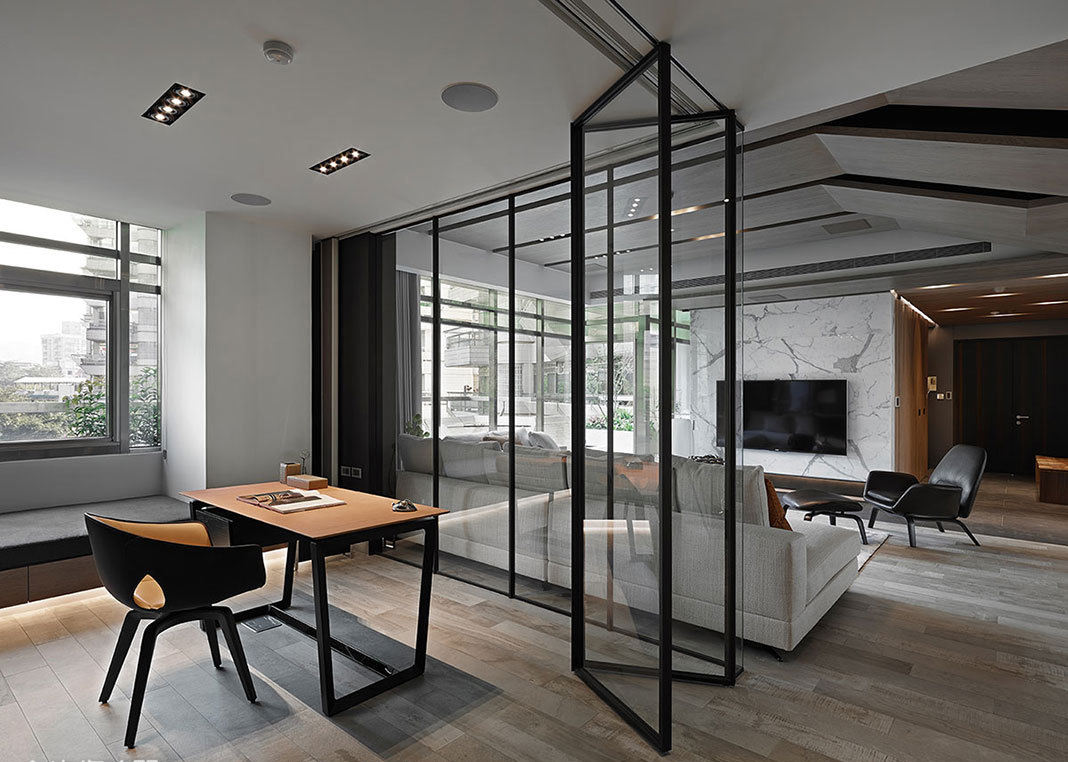
PV glass: Production cuts begin to rebalance the market
Even the higher-tech PV glass segment is suffering severe losses. Wei Nana points out that global PV glass demand in 2024 was 21.38 million tonnes, while domestic capacity alone reached 23.43 million tonnes — already exceeding global demand. Capacity utilisation is below 70%, with daily melting capacity of 92,000 tonnes and inventories above 30 days.
Prices for 2.0mm coated PV glass have plunged from the 2020 peak of RMB 40/m² to around RMB 10/m² in early July — a record low. Top-tier manufacturers lose about RMB 1/m², while average producers lose around RMB 3/m². Analyst Gao Ling says the rapid supply-demand gap is to blame. June demand shrank 14-15% month-on-month, implying a PV glass demand drop of over 10,000 tonnes/day.
Current domestic PV glass capacity stands at about 90,000 tonnes/day, but actual July demand (based on 42.6 GW of module output) requires only about 80,000 tonnes/day. To reverse losses, the top ten PV glass makers agreed on June 29 to cut collective output by 30% from July. The cuts are implemented through furnace cold repairs, plugging furnace ports, and delaying new projects.
On July 1, a Central Financial and Economic Affairs Commission meeting stressed curbing low-price disorderly competition and promoting orderly exit of outdated capacity. The Ministry of Industry and Information Technology quickly held a symposium with PV manufacturers, reinforcing the policy direction. Thanks to these moves, July PV glass output is expected to fall to around 45 GW, which could significantly ease the supply-demand imbalance. Prices have stabilised, with Flat Glass Group (601865.SH) confirming that some lines have begun cold repair and market prices are now largely steady.

Machinery implications amid the shakeout
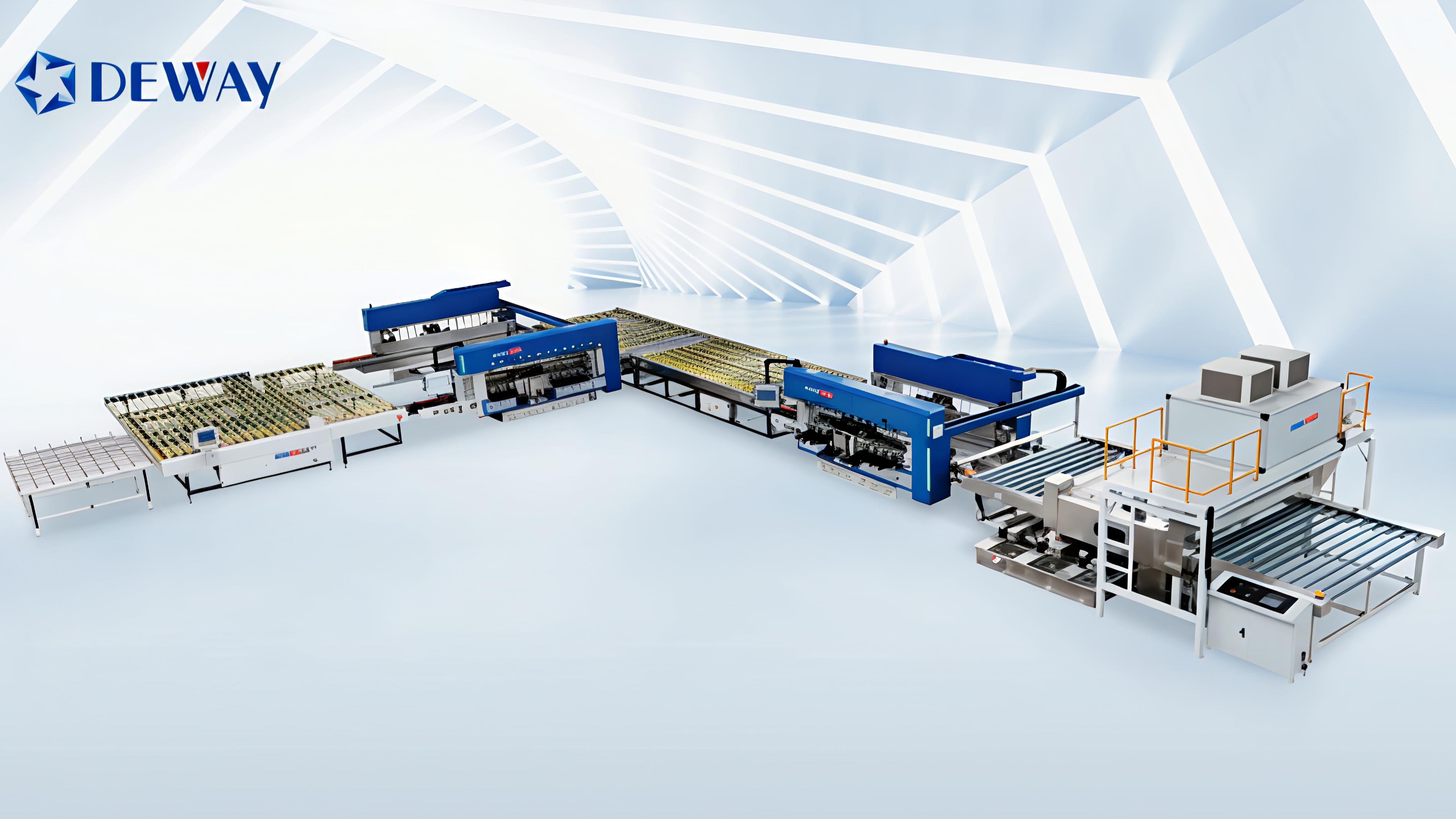
As glass producers struggle to survive, the market for glass processing equipment is also transforming. Advanced machinery is increasingly sought after to improve efficiency and product quality. Key equipment types include the Double Glass Processing Machine, CNC Glass Processing Center, Glass Edging Grinding Machine, Glass Mitering Polishing Machine, and Glass V groove machine.
Data show that Chinese exports of cold-working glass grinding/polishing machines reached RMB 72.85 million in February 2026, following a peak of RMB 79.78 million in January. Exports of cutting-off machines for cold-working glass stood at RMB 16.55 million in February 2026. Both categories have exhibited long-term growth.
Domestically, however, equipment demand faces near-term headwinds due to weak real estate starts. Some machinery makers are pivoting to higher-value products. CNC Glass Processing Centers, once considered niche, are gaining traction as they automate complex tasks like profile grinding, 3D engraving, milling and drilling — operations beyond the reach of standard single-purpose machines.
Glass Edging Grinding Machines, essential for finished architectural and automotive glass, see stable demand from export-oriented processors. Meanwhile, Glass Mitering Polishing Machines and Glass V groove machines are benefiting from a shift toward decorative and high-end glass applications in furniture, interior design and electronics. As glass processors struggle to differentiate themselves in an intensely competitive market, the ability to produce polished mitre joints and precision V-grooves has become a key competitive advantage.
Chinese glass processing machinery manufacturers are pursuing a dual strategy: upgrading their domestic product portfolios while aggressively expanding overseas. Southeast Asia, the Middle East and Africa have become priority markets, driven by lower existing automation levels and growing local glass fabrication capacity. Exports of Chinese polishing machinery to Southeast Asia reportedly increased 25% year-on-year in 2022, reaching US$1.5 billion.
Conclusion
China’s glass industry is navigating a painful but potentially transformative trough. For float glass, the key is managing capacity exit without triggering a cash-flow meltdown. For PV glass, coordinated production cuts and policy support offer a lifeline, but discipline must hold. Across the board, technological upgrading, overseas expansion, and mergers and acquisitions will separate winners from losers. And for the machinery that processes the glass — from Double Glass Processing Machines and CNC Glass Processing Centers to Glass Edging Grinding Machines, Glass Mitering Polishing Machines and Glass V groove machines — the path forward lies in higher precision, automation and export market growth. The crossroads is daunting, but for those willing to adapt, the road ahead still holds promise.