
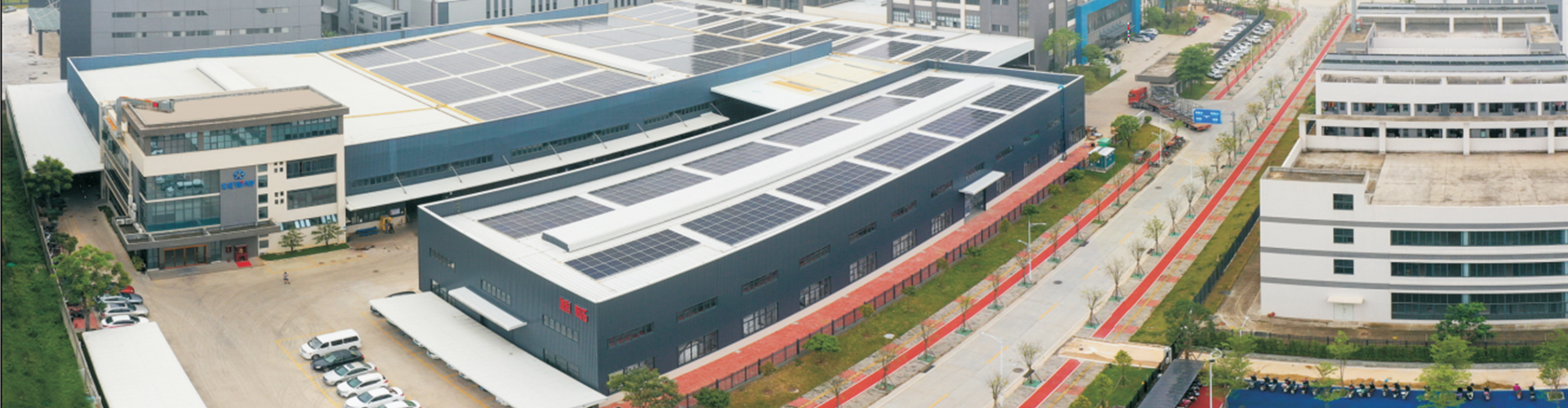
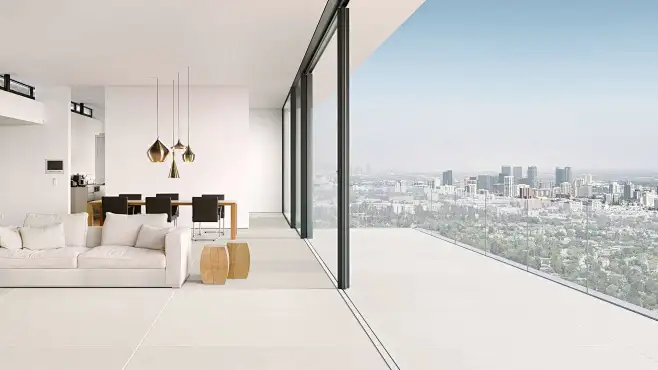
As building energy efficiency standards tighten and “dual carbon” goals advance, large-area glass windows and doors are being used more widely in modern residential and commercial buildings. Floor-to-ceiling windows and glass curtain walls offer abundant natural light and expansive views. However, among the four main building envelope components—walls, windows, roofs, and floors—windows have the poorest thermal insulation. Statistics show that windows account for 40% to 50% of total envelope energy loss. In winter, heat loss through single-glazed windows can represent 30% to 50% of heating load; in summer, solar heat gain through glass contributes 20% to 30% of air conditioning load. Energy lost through doors and windows accounts for about 50% of a building's operational energy, with per-unit-area energy consumption roughly four times that of walls, five times that of roofs, and over twenty times that of floors.
To solve this longstanding challenge, Low Emissivity (Low-E) glass was developed. Using advanced vacuum magnetron sputtering technology, Low-E coatings apply multiple nano-scale layers to the glass surface, reducing emissivity from 0.84 for ordinary clear glass to below 0.15. This dramatically cuts radiative heat transfer. When double-silver Low-E glass (with emissivity as low as 0.04) is combined with an insulating glass unit filled with argon gas (thermal conductivity just 0.016 W/(m·K)), the overall heat transfer coefficient (U-value) drops to 1.1–1.3 W/(m²·K). This performance level is comparable to a 370mm thick solid brick wall, truly achieving the synergy of “large views and low energy consumption.”
I. Three Core Indicators Measure Energy-Saving Glass Performance
According to industry standards such as JGJ/T 151-2008, the key performance indicators for evaluating energy-saving glass include visible light transmittance, thermal transmittance, and total solar infrared thermal transmittance. These three metrics define product value from the dimensions of daylighting, heat retention, and solar heat rejection.
(A) Visible Light Transmittance (τv) – This is the ratio of transmitted visible light flux (weighted by the human eye's spectral sensitivity) to incident visible light flux. The higher this value, the better the indoor natural daylighting effect and the lower the energy consumption for daytime artificial lighting. High-quality energy-saving glass, through interference effects between multiple dielectric layers and silver layers, maintains high visible transmission while blocking infrared heat, achieving “high daylighting and low heat loss.”
(B) Thermal Transmittance (U-value or K-value) – This is the rate of heat transfer through a glass unit per unit area per unit time (in W/(m²·K)) under steady-state conditions with a temperature difference of 1 Kelvin (or 1°C) between the two sides. The lower this value, the better the heat retention performance. Ordinary single-pane glass has a U-value of about 5.7; ordinary double-pane (insulated) glass has a value of approximately 2.7–3.0. In contrast, high-quality insulated glass units using double-silver Low-E coating and argon filling can achieve a U-value as low as 1.1–1.3, representing a significant improvement in energy efficiency.
(C) Total Solar Infrared Thermal Transmittance (gIR) – This is defined as the total solar transmittance specifically within the near-infrared wavelength range of 780nm to 2500nm. This indicator excludes the thermal contribution of the visible light band, allowing for a more accurate assessment of a Low-E coating's true capability to block solar radiant heat. A lower gIR value indicates a stronger ability to block near-infrared solar radiation, resulting in a lower air conditioning cooling load in the summer. The related Solar Heat Gain Coefficient (SHGC, or g-value) is a comprehensive, broad-spectrum heat gain indicator covering the entire solar spectrum. Using both SHGC and gIR together enables refined glass selection for optimized performance.
II. Precision Glass Processing Equipment Enables Energy-Saving Performance
Transforming a sheet of flat glass into a high-performance energy-saving Low-E insulated glass unit requires a series of precision processes including cutting, edging, washing, coating, assembly, gas filling, and sealing. The accuracy and reliability of glass deep-processing equipment are fundamental to achieving the designed performance targets for visible light transmittance, U-value, and gIR. Below are the key equipment types and their impact on these indicators:
- Glass Straight-line Single Edging Machine – This widely used equipment grinds and polishes glass edges, removing burrs and micro-cracks. This process reduces edge light scattering loss, thereby supporting the daylighting transmittance of large glass areas.
- Glass Double Edger Machine – For improved processing accuracy and production efficiency, especially for large-area rectangular architectural glass like Low-E units, this machine simultaneously grinds, finely grinds, polishes, and safely bevels two parallel straight edges, ensuring tight dimensional accuracy and parallelism. Importantly, some advanced double edgers are equipped with low-damage conveyors and edge deletion features, ensuring the Low-E coating on the glass surface is not damaged during high-speed processing, thus maintaining the designed U-value and gIR performance.
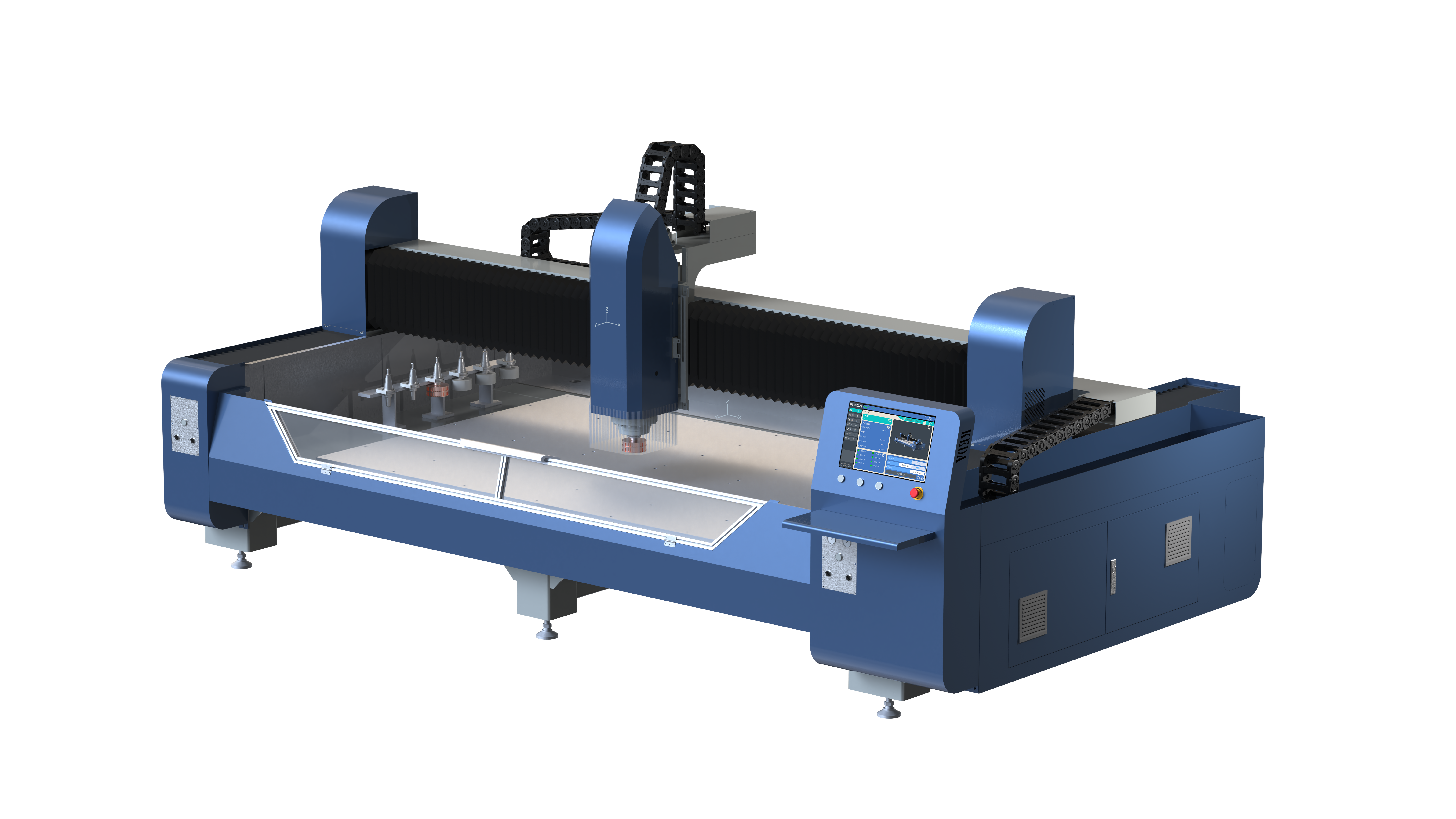
- CNC Working Center – When architectural projects require shaped glass, openings, or carved decorative glass features, CNC working centers play an essential role. These computer-controlled machines can perform multiple processes like straight edging, shaped edging, drilling, and milling in a single setup. By precisely controlling the grinding path and depth, they prevent local coating damage that could increase infrared transmittance, thereby stably maintaining the glass unit's specified total solar infrared thermal transmittance (gIR).
- Precision Glass Straight-line Mirror Machine – For high-end furniture glass, decorative mirrors, and architectural glass with aesthetic edge requirements, this specialized machine is used to grind a straight-line bevel on the glass edge. It completes rough grinding, fine grinding, and polishing in one pass, achieving a bevel surface finish close to that of the original glass. While meeting decorative needs, precise control of the bevel angle and polishing quality ensures the coating system's infrared rejection capability is maintained, preventing local performance degradation due to faulty edge finishing.
- Glass washing and drying machine – The washing and drying process is a critical step in guaranteeing final product quality. This equipment uses rotating brushes combined with powerful air knives to thoroughly remove residual oil, fingerprints, dust, and other contaminants from the glass surface. Before the Low-E coating is applied, a high level of surface cleanliness is fundamental to achieving coating adhesion, uniformity, and durability. Before insulating glass assembly and gas filling, clean surfaces ensure hermetic sealing of the cavity and proper sealant adhesion, enabling the long-term maintenance of a low U-value. Any surface contamination can lead to coating defects or seal failure, severely compromising the U-value and gIR targets.
III. Collaborative Optimization Aids Carbon Reduction in the Building Sector
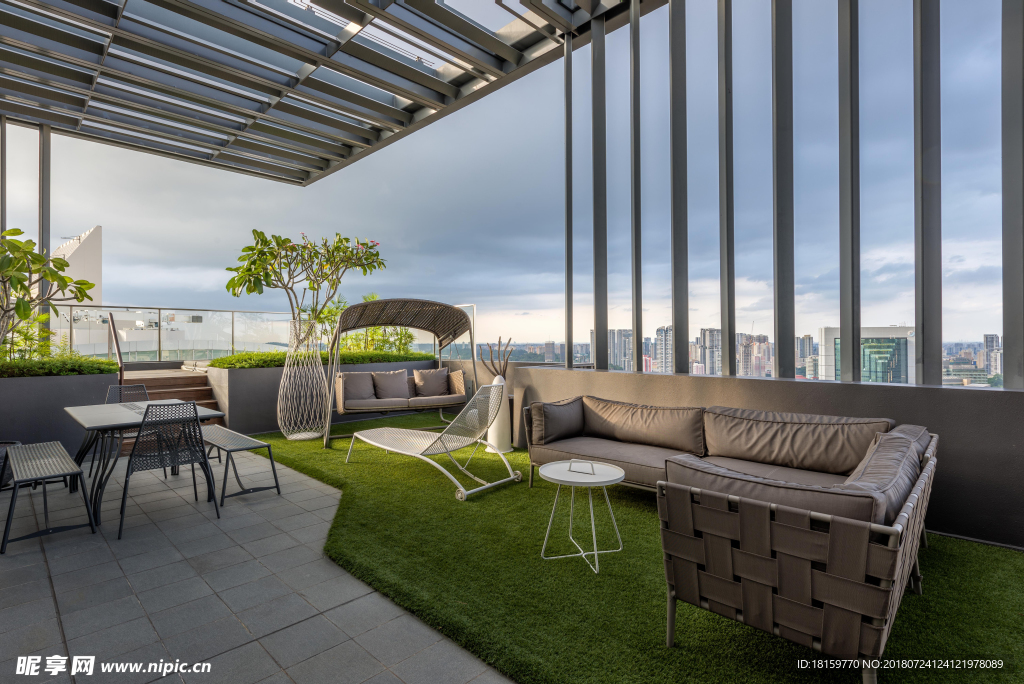
For modern architectural designs featuring large window-to-wall ratios and high daylighting requirements, the optimal technical strategy is to prioritize energy-saving glass products with high visible light transmittance (τv) and low total solar infrared thermal transmittance (gIR), while still meeting the mandatory SHGC (g-value) limits prescribed by local building energy codes for the specific climate zone. This synergistic combination of “high daylighting, low heat loss, and strong solar heat rejection” maximizes the reduction of both winter heat loss and summer solar heat gain, minimizing a building's life-cycle energy consumption.
From an industrial perspective, the continuous advancement of single-silver, double-silver, and triple-silver Low-E coating technologies represents the ongoing optimization of these three key performance indicators. At the same time, the progressive improvements in precision and automation of glass deep-processing equipment—including the Glass Straight-line Single Edging Machine, Glass Double Edger Machine, CNC Working Center, Precision Glass Straight-line Mirror Machine, and Glass washing and drying machine—provide the essential engineering foundation for transitioning energy-saving glass from laboratory performance parameters to large-scale commercial application. Every process, every grind, and every wash silently supports the realization of specified visible light transmittance, thermal transmittance, and total solar infrared thermal transmittance in real-world building projects.
Looking ahead, as “dual carbon” strategies are further implemented and building energy standards continuously evolve, these three core performance indicators will remain the central benchmarks for green building material selection and technological innovation in glass deep-processing. Their continued refinement will play a vital role in reducing carbon emissions within the building sector and enhancing the quality of indoor environments.