
How does an ordinary flat glass sheet transform into a dazzling decorative piece for luxury interiors? The answer lies not in magic, but in a precise sequence of specialised machines that refine, cut, and carve before any artistic coating is applied.
Surging Market Demand for Art Glass
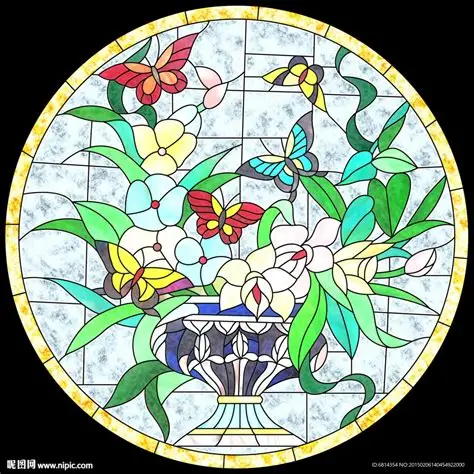
Art glass has moved far beyond simple windows. Today, it appears as galloping horse murals on living-room feature walls, flying-crane silhouettes in decorative screens, and abstract oil-painting effects suspended from ceilings. Its translucent, light-enhancing quality—bright, airy, and visually expansive—makes it a top choice for modern interior design. Applications include background walls, dropped ceilings, room dividers, doors, windows, and stair railings.
Market data confirm the boom: the art glass decorative materials sector has posted annual growth exceeding 30% over the past two years. Lead times for customised, high-complexity products have stretched beyond two months, indicating that supply struggles to keep pace with demand. Behind every finished piece, however, lies a technical journey—from raw edge finishing to intricate surface carving—powered by five key machines that work in sequence.
The Five Essential Machines in Art Glass Production
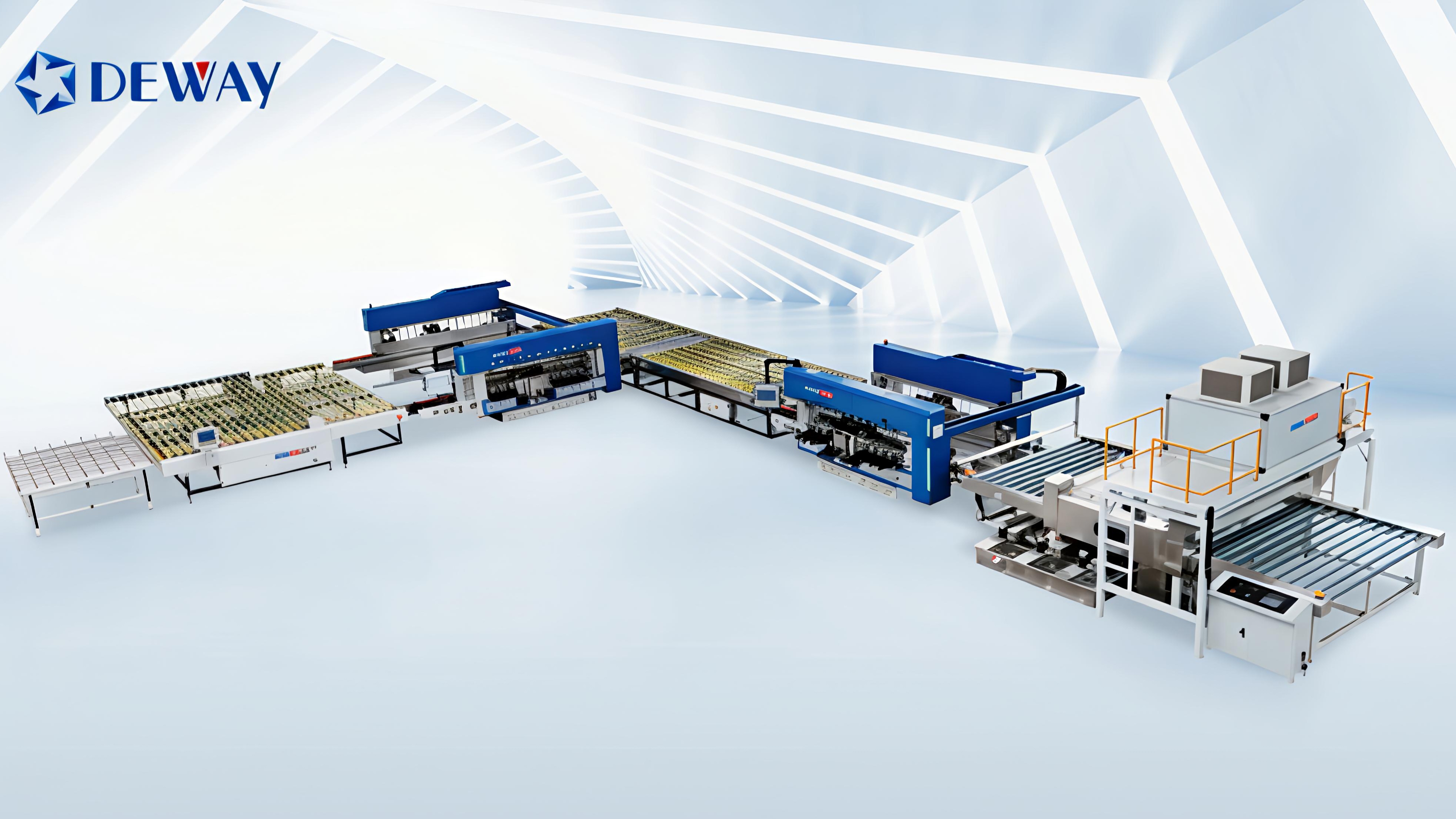
Before any decoration—printing, laminating, or fusing—can be applied, a cut glass sheet must undergo edging, bevelling, drilling, and grooving. Each step uses a dedicated device that ensures safety, optical clarity, and artistic depth. The following machines are the workhorses of every art glass factory.
Horizontal Glass Edging Machine—Foundation of Safety and Clarity
Raw cut edges are sharp and contain micro-cracks that weaken the glass and distort transmitted light. The horizontal glass edging machine performs rough and fine grinding with diamond wheels, removing stress points and producing a uniform, smooth edge. This improves both safety and light transmission, preparing the sheet for subsequent processes. By adjusting feed speed and wheel grit, operators can achieve edge finishes ranging from matte to high-gloss, which is essential for later optical effects.
Glass Double Line Edging Machine—Efficiency for Parallel Edges
For large-volume production of panels with perfectly parallel sides—common in glass doors, partitions, and large windows—the Glass Double Line Edging Machine works both opposite edges simultaneously. Equipped with automatic thickness measurement and real-time pressure compensation, it ensures parallelism within 0.1 mm. This machine doubles throughput compared to single-edger lines and reduces handling damage, making it indispensable for meeting high market demand.
Glass Straight-line Bevelling Machine—Crafting Brilliant Light Refraction
To produce jewel-like bevels, chamfers, or arrises that catch and reflect ambient light, the Glass Straight-line Bevelling Machine tilts its grinding wheels at precise angles (typically 15° to 45°). The resulting sloped facet acts as a prism, adding sparkle and depth to the glass edge. For example, a new-Chinese style landscape panel may need a gentle curved bevel to mimic soft rice paper, while a glam-style mirror requires a sharp diamond cut. Servo controls achieve angle accuracy of ±0.01°, critical for consistent optical effects across large panels.
Glass Drilling Machine—Clean Holes Without Cracking
Mounting art glass onto frames, walls, or hardware requires accurately placed holes for screws, bolts, or decorative grommets. The Glass Drilling Machine uses diamond-tipped core drills that rotate at high speed while a water coolant continuously flushes the cutting zone. This cooling prevents thermal stress and micro-cracking, common failure points in brittle glass. CNC-positioning tables allow multiple holes with tight tolerances, and some models support counter-sinking for flush-mount fixtures, adding functional versatility.
CNC Glass Grooving Machine—Sculpting Three-Dimensional Textures
While edging and drilling shape the outline and fixings, it is the CNC Glass Grooving Machine that truly imparts artistic character. Using multi-axis, high-speed rotating diamond routers, it carves grooves, channels, and relief patterns directly onto the glass surface. Under CAD/CAM control, the machine follows complex vector paths to produce lifelike horse manes, feather details, or swirling abstract lines. The grooved texture scatters light in unique ways, creating a tactile, three-dimensional effect that flat printing cannot achieve. Positional accuracy down to 0.005 mm ensures faithful reproduction of even the most intricate designs, enabling batch customisation without sacrificing quality.
Synergistic Effects: From Mechanical Finishing to Optical Art
These machines do more than just shape glass—they optimise its optical properties. The double-line edger guarantees uniform thickness and edge parallelism, so light passes through without distortion. The beveller adds angled facets that capture side lighting and cast dancing reflections around the room. The driller provides clean, stress-free mounting points that integrate seamlessly with hardware. The groover creates microscopic undulations that amplify colour saturation when pigments or backlighting are applied later.
After machining, decorations such as digital printing, screen printing, or lamination with coloured interlayers (PVB or EVA films) add the final imagery—galloping horses, flying cranes, or abstract oil paintings. However, the underlying edges and grooves remain essential: they ensure that patterns have a natural, harmonious transition to the glass boundary, and that the overall piece feels solid, safe, and luminous.
Diverse Applications and Persistent Supply Shortage
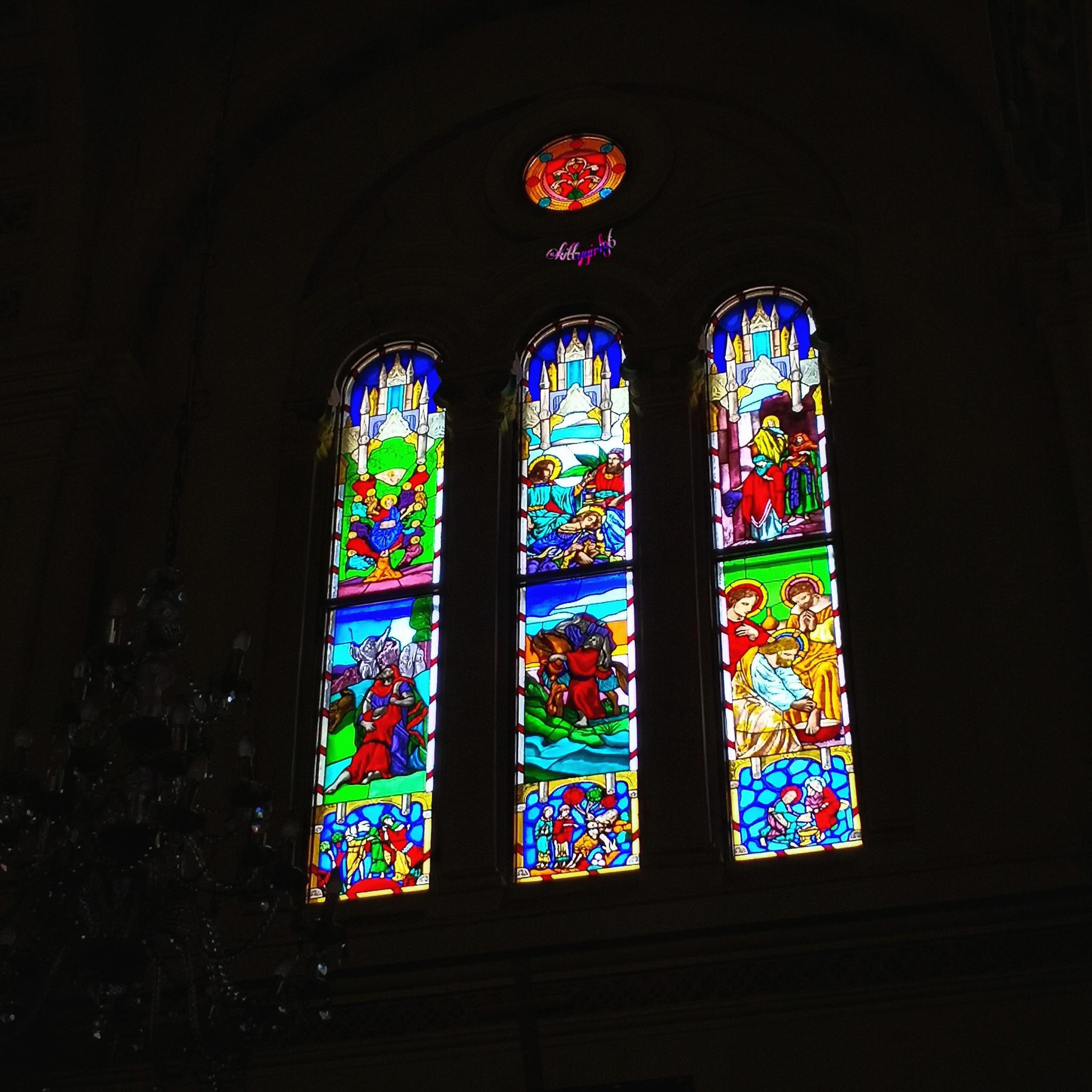
Art glass processed with these tools appears in virtually every corner of interior spaces:
- Feature walls—large-format carved or printed panels become focal points in living rooms.
- Ceilings—backlit art glass creates floating, ethereal cloud-like effects.
- Room dividers and screens—semi-transparent carved glass partitions separate spaces while maintaining openness.
- Doors and windows—bevelled and grooved inserts add privacy without blocking light.
- Stair railings—drilled and edged panels offer safety with elegance.
Compared to stone, wood, or metal, art glass is easier to customise, simpler to clean, and free from harmful radiation. Its ability to transmit, reflect, and diffuse light makes interiors appear larger and more dynamic—a quality highly valued by architects.
Despite booming demand, production bottlenecks persist. Large-format, ultra-thin, or irregular panels are notoriously difficult to edge and groove with high yield. Complex patterns require careful tool-path programming and frequent tool changes, slowing throughput. Moreover, manual inspection is still needed for some finishing steps, limiting scalability. Consequently, lead times have stretched, and supply cannot fully meet market needs.
Technological Upgrades to Bridge the Gap
To address these challenges, manufacturers are embracing intelligent production lines. New-generation double-line edgers incorporate laser-based thickness gauges and automatic wear compensation. Bevellers now feature robotic loading/unloading arms to reduce human error. CNC grooving machines are being integrated with 3D scanners that automatically adjust tool paths based on actual glass curvature. Drilling machines employ servo-driven coolant nozzles that adapt to hole diameter and depth, virtually eliminating chipping.
Collectively, these upgrades are projected to boost overall capacity by over 40% within the next two years, while also reducing lead times and production costs. This will allow factories to fulfil more custom orders and shorten waiting periods for consumers.
Future Outlook: The Translucent Economy
The art glass phenomenon is more than a technological triumph—it reflects a broader cultural shift toward "appreciation-use integration" in contemporary living. Consumers no longer settle for purely functional materials; they crave pieces that tell stories, evoke emotions, and interact with light. Every flat glass sheet that passes through a horizontal edger, a double-line edger, a beveller, a driller, and a CNC groover emerges not as a mere building component, but as a bespoke canvas for creativity.
With further advances—five-axis grooving, laser-assisted drilling, and AI-based defect detection on the horizon—the barriers to customisation will continue to fall. More homes, offices, and public spaces will be able to enjoy the unique charm of art glass. This "translucent economy" is poised to shine even brighter, symbolising the transformation of manufacturing into art-ful creation.